The figure of the Independent Power Producer – IPP, was created in 1995, by law 9.074. The IPP is defined as “a legal entity or companies gathered in a consortium that receive a concession or authorization from the granting authority, to produce electricity intended for the trade of all or part of the energy produced, at their own risk and expense”.
In practice, the IPP is responsible for supplying energy to isolated areas not connected to the SIN – National Interconnected System.
Currently, the SIN is responsible for about 90% of all electricity demand consumed in Brazil. It is this system that connects energy generators and distributors.
In the remaining 10%, which mainly involves areas in the northern region of the country, energy is supplied through the IPP.
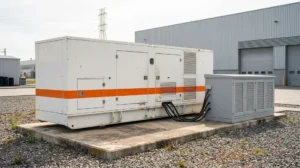
Among the independent producers are temporary energy suppliers. In some locations, such as the interior of the state of Acre, entire cities are supplied using power generators.
To increase the competitiveness of the sector and provide a service aligned with new market demands, companies in this segment have been investing in technology to develop more economical generators produced in Brazil, thus favoring the national industry.
The result is generators that consume less fuel but are capable of producing the same amount of energy.
Even though the proposal seems tailor-made for the market, many barriers still need to be overcome. One of them is the regulation for free producers, as some tenders still restrict the use of national engines and require the use of engines above 1000 kVA for multi MW solutions.
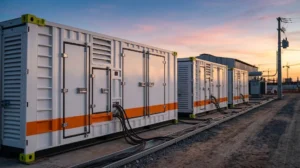
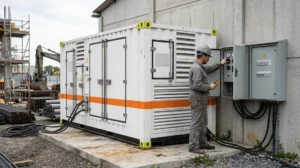
In the national market, this limitation does not make much sense, since national generators assembled with two engines with powers reaching 700 kVA, in a 20-foot container, faithfully fulfill the same purpose of energy generation, with the advantage of lower fuel consumption compared to larger engines.