According to data released by the Comerc Sectoral Index, a monthly study on the Free Energy Market in Brazil, eight segments began consuming more electricity last July.
Among the sectors analyzed, the vehicles and auto parts sector showed the most expansion. Compared to the same period last year, the increase was 13.99%. According to the study, this energy consumption is expected to continue rising in the coming months, mainly driven by the arrival of the warmer months of the year.
Recovery of the automotive industry
After closing the year 2017 with total sales of 2.24 million cars, light commercial vehicles, trucks, and buses and a growth of 9.2% compared to 2016, the automotive industry once again brought promising numbers after three years of negative results and established itself as one of the major consumers of electricity in the market.
With production lines that operate up to 24 hours a day during periods of higher demand, energy is essential, especially in processes such as welding steel sheets and cooling vehicles after painting.
Risks of energy interruption
With a complex operation so important to the country’s economy, companies in the sector cannot take risks and be without one of their main inputs: electricity.
Imagine a blackout occurs, like the one that left parts of the North and Northeast regions in the dark last March. The interruption of production lines, whether of parts or automobiles for an indefinite period, can cause numerous losses, ranging from failure to meet delivery deadlines to the dismissal of employees.
International safety requirements
And the damage can go much further. An example is an industry in the segment that exports its parts to European countries. For some time now, the ISO TS 16949 Certificate has been required. This is an international standard that applies to the automotive supply chain and emphasizes defect prevention and the reduction of variations and waste. In other words, it “forces” factories to develop a plan against risks, including energy variation and shortage.
In other words, the greater the risk, the lower the company’s competitiveness in the international market. Thus, the importance and necessity of having a plan B, which prevents crises and capital loss, becomes increasingly clear.
Rental as a viable solution
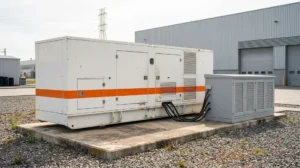
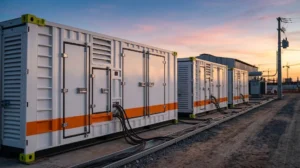
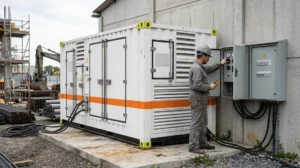
In the case of blackout risks, the company needs to include in its planning the investment in energy security by hiring generators capable of supplying, even partially, the energy consumption to keep its operation ongoing. In this scenario, renting these equipments strengthens as a financially viable and highly effective option.
With 12 years in the market and operations throughout Brazil, Tecnogera has a strong presence in the automotive and auto parts sector and offers customized energy security solutions for all types of situations and demands.