According to data from the Brazilian Association of Food Industries (ABIA), the sector recorded a growth of 2.08% in 2018, totaling R$ 656 billion in revenue. Additionally, it created nearly 13,000 new jobs, a significant number for a country with an unemployment rate of 11.6% in the last quarter of 2018, according to the Brazilian Institute of Geography and Statistics (IBGE). For 2019, forecasts predict the segment will end the year with a growth of 3%, also according to ABIA.
Importance of Climate Control in the Food Industry
However, for the food industry to succeed and continue achieving impressive results, certain investments are more than necessary. One of the main points for the smooth operation of a food factory is the adoption of a solid climate control and energy security plan.
Practical Example: Chocolate Industry
Let’s use as an example a company whose products have chocolate as a main ingredient, an item that requires rapid cooling. First, it’s essential to consider how to maintain an environment with controlled humidity and temperature to meet the perishable preservation standards imposed by health surveillance and ensure no food spoils during production processes. Another crucial point is to ensure that machinery does not overheat, which would generate a lot of heat and risk for the main input.
Furthermore, during the chocolate cooling stage, ambient temperatures need to be well-regulated to achieve the desired product consistency. In such cases, it becomes clear that climate control serves both to ensure the integrity of the food and to allow production to proceed normally. To ensure everything functions optimally, the industry can benefit from chillers, rooftops, fan coil units, and other equipment provided by Tecnogera, which ensure truly effective climate control and cooling.
Energy Security in the Sector
The energy security plan primarily aims to prevent expenses caused by failures in the traditional electric power distribution system. After all, if there is an unexpected interruption in power supply, the entire production chain can be affected.
Tecnogera Case Study: Danone Distribution Center
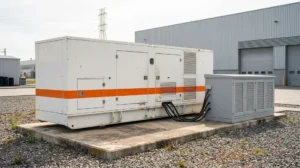
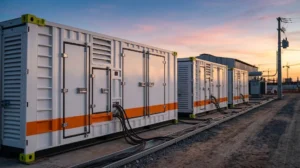
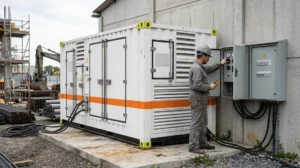
In the food industry, Tecnogera ensured energy security for Danone Foods’ largest Distribution Center. The company utilized its extensive expertise and installed a supplemental energy supply, consisting of a 1400 kVA power generator, a 3,200-amp transfer switch, and over 1,500 meters of cables installed in trays.
Tecnogera, a company with over 13 years in the market, offers customized services for each type of demand. The company boasts the newest and most modern equipment fleet in the country and has a highly qualified team available 24/7.