

Types of power generators: Models for different scenarios and needs
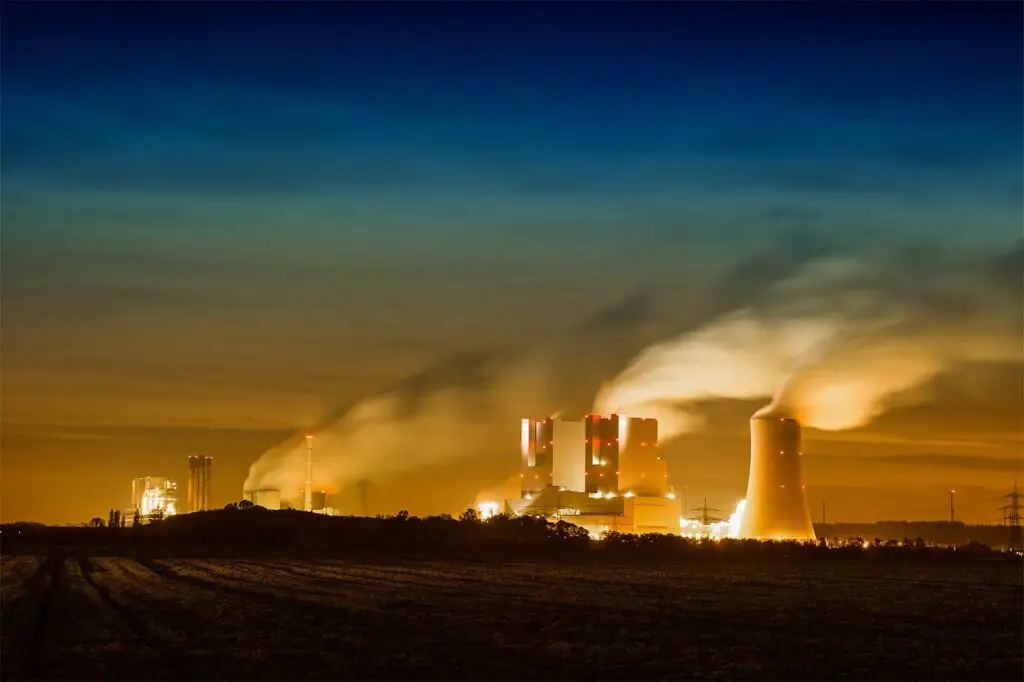
There are different types of generators for various needs: solar (solar panels, 5-7 year financing, 30-year lifespan), wind (sustainable, uses wind movement), chemical (batteries for portable devices), mechanical (hydroelectric plants with turbines), and fossil fuel (most common). Fuel generators vary: gasoline (portable, higher consumption), diesel (cost-effective, durable, lower consumption), and gas (sustainable, high efficiency). Generators 1000-1500 Ideal KVA for large establishments.
Renewable Market on the Rise
Solar energy is expected to grow by 44% in 2019, reaching 3.3 GW with investments of R$ 5.5 billion. Distributed generation facilitates supply to homes and businesses. Wind energy is projected to produce 15,000 MW in the first quarter, becoming the second largest energy source (10% of the electricity matrix). There are over 500 wind farms in Brazil. Power generators are essential on construction sites, and load banks are crucial during commissioning to test and integrate systems. Tecnogera has commissioned over 2,500 wind turbines with teams available 24/7.
Power generation on Oil and Gas platforms
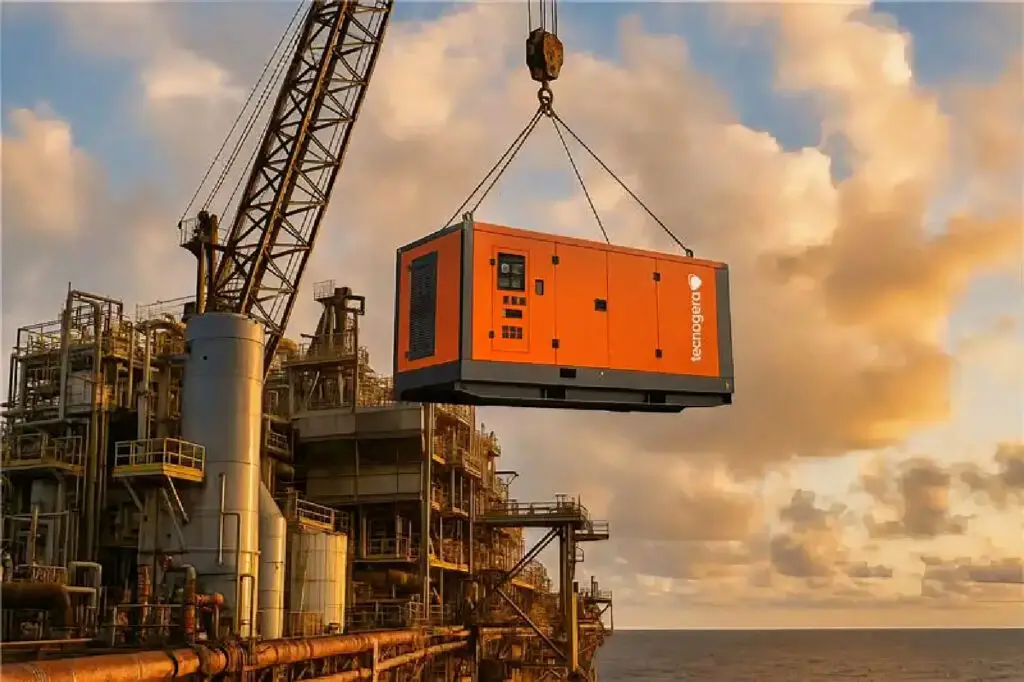
Oil platforms are true floating cities that require large amounts of energy to operate. This article explores how power generation is carried out on offshore platforms, the logistical challenges, the necessary safety measures, and the economic impact of the oil sector in Brazil.
Tecnogera celebrates participation in Brazil WindPower and marks milestone of 2000 commissioned turbines
At the end of August, Tecnogera participated in Brazil WindPower, an event that brought together national and international companies from the wind energy sector in Rio de Janeiro. Tecnogera’s performance in the wind energy sector has been quite impressive, with 2000 turbines commissioned in the first half of 2017.
What are wind turbine rotors and what types are there?
The wind turbine rotor is an essential component of turbines that convert the wind’s kinetic energy into electricity. Comprising blades, a hub, and control mechanisms, it can have a vertical or horizontal axis. Vertical types include Savonius (efficient in low winds) and Darrieus. Horizontal types are more efficient, with three-blade models offering the best cost-effectiveness, achieving 45% efficiency in strong winds and generating up to 5…
What is natural inflow energy?
Natural Inflow Energy (ENA) is generated when the natural flow of tributaries is harnessed by downstream hydroelectric plants. During the water crisis since 2014 in southeastern Brazil, the utilization of this energy significantly declined, capturing only 68% of the previous year’s amount. This decrease is directly related to the lack of rainfall and requires constant adjustments in values according to natural flows and hydroelectric configurations.
Power Generator: How It Works and a Guide to Choosing the Right One

An alternating current generator converts mechanical energy into electrical energy based on the induction of electromotive force. The simplest model consists of a coil that rotates through a turbine, generating electric current connected to rings that transmit the energy. It differs from a direct current generator by achieving higher voltage and range, although it requires transformation to lower voltages (110V or 220V) for residential use.
Understand the concept of cogeneration.
Energy efficiency is a key term for understanding cogeneration. It’s a process that transforms and reuses energy generated by a source. In the sugarcane industry, processing sugarcane to produce alcohol generates steam that’s reused to power machines, turbines, and generate electricity. This cycle prevents waste and the extraction of natural coal, diesel, or natural gas. The advantages include lower energy costs, high quality and reliability, savings in transmission, and reduced pollutant emissions.