

Renewable Power Generation: How It Works

The renewable power generation market is expanding in Brazil, with wind and solar sources taking the spotlight. The country has 167 wind farms and 74 solar plants under construction, with wind energy expected to become the country’s second-largest source by 2020. Wind generation grew by 61.5% in the first two months of 2017, producing 3,495 average MW. Tecnogera is active in the sector, providing commissioning and load bank supply for plants, ensuring quality and safety in performance testing.
How load banks are crucial in commissioning wind and solar plants
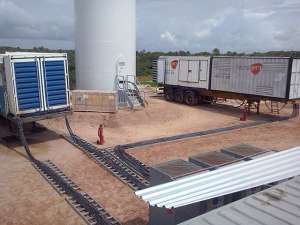
Brazil has a variety of electrical resources based on renewable energy, meeting a constantly growing demand in the domestic market through these sources. Despite the economic crisis, the sector showed significant expansion and surpassed unfavorable statistics: according to Aneel’s Power Generation Information Database (BIG), in the coming years there will be an addition of 10,576,347 kW to the country’s power generation capacity from the 169 projects currently under construction and another 271 projects with construction not yet started in the wind and solar sectors. According to the Ministry of Mines and Energy, the goal is to increase the share of renewable sources in Brazil’s energy matrix by 23% by 2030, in order to meet the commitments made during the United Nations Climate Change Conference (COP-21). An assessment by the Energy Research Company (EPE) indicated that the reduction in the domestic supply of oil and derivatives contributed to a greater share of the renewable energy sector to meet demand. As a result, Brazil will reach the milestone of 1 Gigawatt in installed capacity in photovoltaic solar power plants by 2017.
Complete Guide: How to Choose the Ideal Generator for Your Industry
Choosing the ideal generator for your industry requires analyzing various factors such as required power, fuel type, operation regime, and maintenance. This comprehensive guide presents the main characteristics of generators by industrial segment, fuel consumption, technical specifications, and the importance of load bank testing to ensure efficiency and prevent failures.
What are the differences between a synchronous and asynchronous generator?
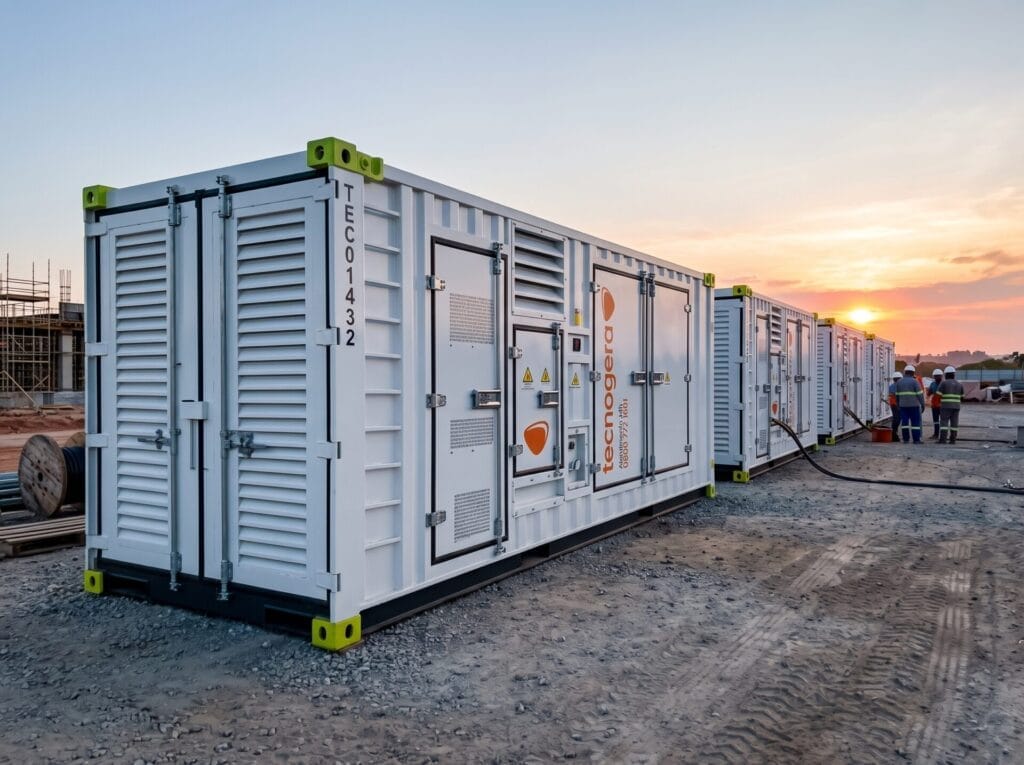
Power generators are classified as synchronous and asynchronous according to their operation. The synchronous generator maintains frequency synchronized with motor rotation, offers fixed frequency regardless of load, and is used in hydroelectric plants, but requires direct current and maintenance of mechanical contacts. The asynchronous generator has a simpler and more robust construction, without mechanical contacts in the rotor, used in wind turbines, but requires reactive power and stops if the load exceeds capacity. Both convert mechanical energy into electrical energy for hospitals, industries, and events.
Shopping Centers and Energy Bills
Electricity costs in Brazil are among the highest in the world. Despite being predominantly hydroelectric and cheaper, energy in the country is extremely expensive, largely due to taxes. Large commercial enterprises, such as shopping centers, are heavily impacted, with expenses that can reach 45% of condominium costs, with up to 60% of this amount consumed solely by air conditioning systems.
The Importance of Backup Power Generation for Your Business
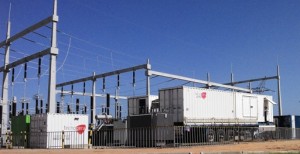
A backup generator is crucial for companies to maintain operations during power outages, preventing production losses and raw material waste. Proper investment requires adequate planning, installation, and maintenance. It’s essential to choose a credible supplier, calculate the necessary load, determine the location, and obtain licenses (Fire Department, environmental, utility company, ART). Monitoring and preventive maintenance ensure operation when…
The Advantages of Temporary Power in Brazil
In 2015, the water crisis and tariff flags increased energy costs, making temporary power through generator rental essential for businesses. Benefits include up to a 30% reduction in peak hour expenses and transferring maintenance responsibility to rental companies. According to ABIMAQ, inquiries about generators increased by 40% and sales by 12%. Demand remains high even with improvements in the water scenario.
Independent Power Producer: ANEEL’s Alternative to Improve the Electric Sector
The Independent Power Producer (IPP) aims to enhance efficiency in supply for isolated regions at lower costs. Created by Law 9.074/1995, which unbundled the Brazilian electric sector and led to the formation of ANEEL, ONS, and MAE. IPPs are private companies that generate power independently, striving for maximum efficiency. Modern equipment can reduce fuel consumption by up to 20%, resulting in savings for public funds and greater operational efficiency.
How to Choose a Temporary Power Supplier
Choosing a temporary power supplier requires careful analysis of several factors. It’s essential to check for 24/7 availability, specialized technical support, equipment quality, and offered warranties. Companies providing new power generators can offer fuel savings. It’s also important to verify maintenance policies, replacement options, and contractual coverage against accidents and theft.
Challenges in Hiring Temporary Power
Hiring temporary power has become strategic for companies across all sectors and sizes, whether for isolated areas, backup, cost reduction during peak hours, or scheduled maintenance. It’s essential to choose a company with recognition, a qualified team, and 24-hour service. The rental company should assess the demand and offer customized solutions to ensure a continuous and safe power supply.