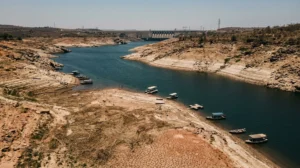
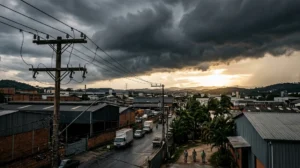
The year 2015 was marked by the water crisis and the implementation of electricity tariff flags, which raised consumption costs across Brazil. The impact of this new scenario spared no one. For corporate consumers, in some states also affected by supply instability and unable to halt operations, contracting temporary power became increasingly necessary, as well as an excellent way to reduce bills.
Benefits of Temporary Power
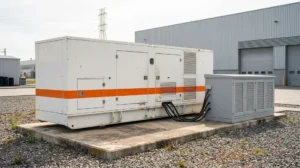
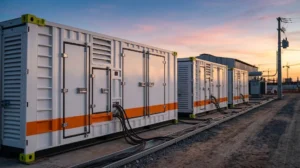
Contracting temporary power, usually through generator rental, not only ensures the necessary supply for production processes but also helps mitigate the impact of new tariffs. On average, this strategy can reduce peak hour expenses by up to 30%.
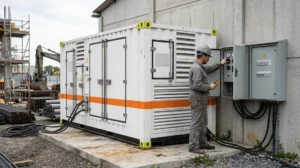
Another advantage of rental is that all generator maintenance is the responsibility of the rental company. These companies handle the entire operation, including inspections and quality tests that ensure the equipment functions correctly.
Market Outlook
The outlook for the segment, even with reduced blackout risks throughout 2016 and improvements in the water scenario, is that demand will remain high. According to data from the Brazilian Machinery and Equipment Industry Association – Abimaq, in 2015, the number of inquiries about generators increased by 40% compared to the previous year. Meanwhile, sales rose by 12%.
In other words, ensuring power, transferring maintenance responsibility, and still reducing bills at the end of the month should continue to be goals for small, medium, and large companies.