

What is the purpose of a circuit breaker?
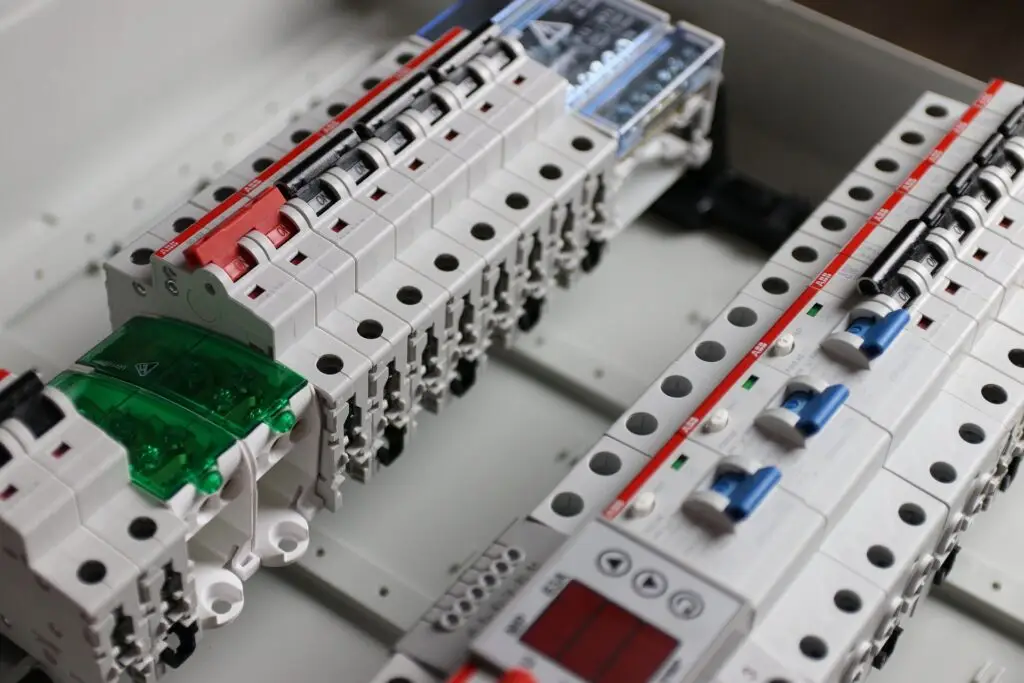
A circuit breaker is a mandatory electromechanical device in electrical installations that protects against faults, overloads, and short circuits. It monitors and controls the electrical current, interrupting the supply when it detects abnormal values. There are different types: magnetic (for precision control), thermal (using metal plate expansion), and thermomagnetic (a combination of both). Circuit breakers range from small ones for domestic use to large ones for high voltage, essential for ensuring the safety and quality of the electrical system.
Major events require expertise and technical capability
When hiring temporary power solutions, one of the key criteria to evaluate is the rental company’s experience and capability. What types of events has the company serviced, and what generation capacity was provided are essential questions. Thus, companies that have supplied temporary power for complex events should be prioritized in the selection process.
Overloaded outlets: how to prevent short circuits?
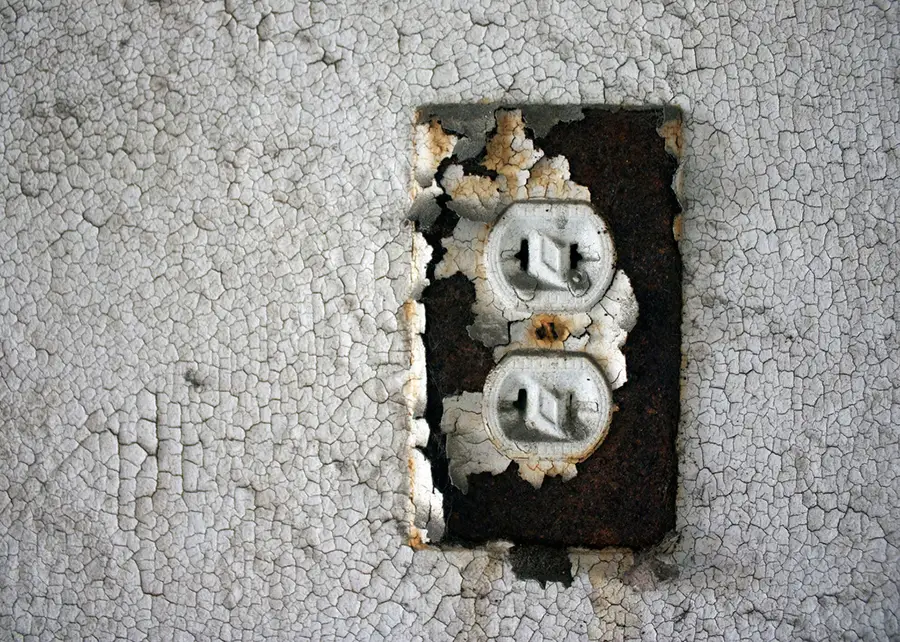
Power strips can cause overloads when current exceeds outlet capacity (10-20 amperes). Signs of trouble include heating, discoloration of outlets, and circuit breaker trips. The solution is to distribute devices across different outlets or install new ones. Power strips should only be used for low-power equipment like lamps and TVs, never for refrigerators, microwaves, or air conditioners. The best prevention is an electrical design…
Learn about active, reactive, and apparent power
Electric power is the work done by current over a specific time interval. Active power generates heat, motion, or light, measured in watts/kilowatts. Reactive power maintains the electromagnetic field in motors and transformers, measured in KVAR. Apparent power is the sum of both, measured in KVA. Low power factor causes voltage variations, motor burnout, energy loss, and conductor heating.
Best power generator: how to choose the ideal one in 2026
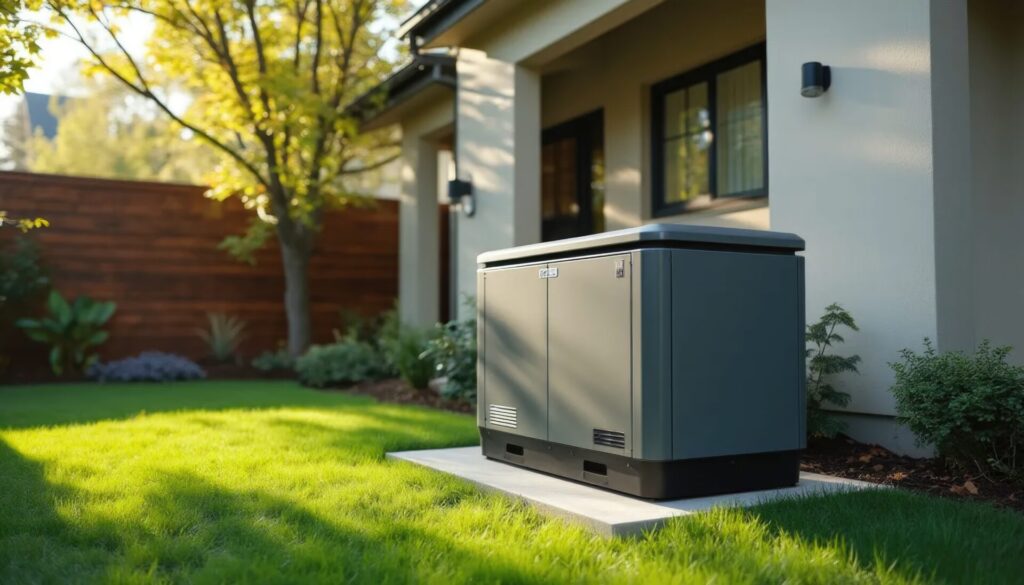
Electricity is essential for basic needs such as heating, cooling, security, and lighting. To avoid problems with interruptions, residential generators have become increasingly common. When choosing, it is crucial to consider the size (preferring compact models) and power (ranging from 1850 to 12,000 watts). Other important factors include tank capacity, noise level, starting type, weather resistance, and voltage regulation system. Installation should be done in a ventilated area with sound insulation.
Understand the concept of cogeneration.
Energy efficiency is a key term for understanding cogeneration. It’s a process that transforms and reuses energy generated by a source. In the sugarcane industry, processing sugarcane to produce alcohol generates steam that’s reused to power machines, turbines, and generate electricity. This cycle prevents waste and the extraction of natural coal, diesel, or natural gas. The advantages include lower energy costs, high quality and reliability, savings in transmission, and reduced pollutant emissions.