

Types of power generators: Models for different scenarios and needs
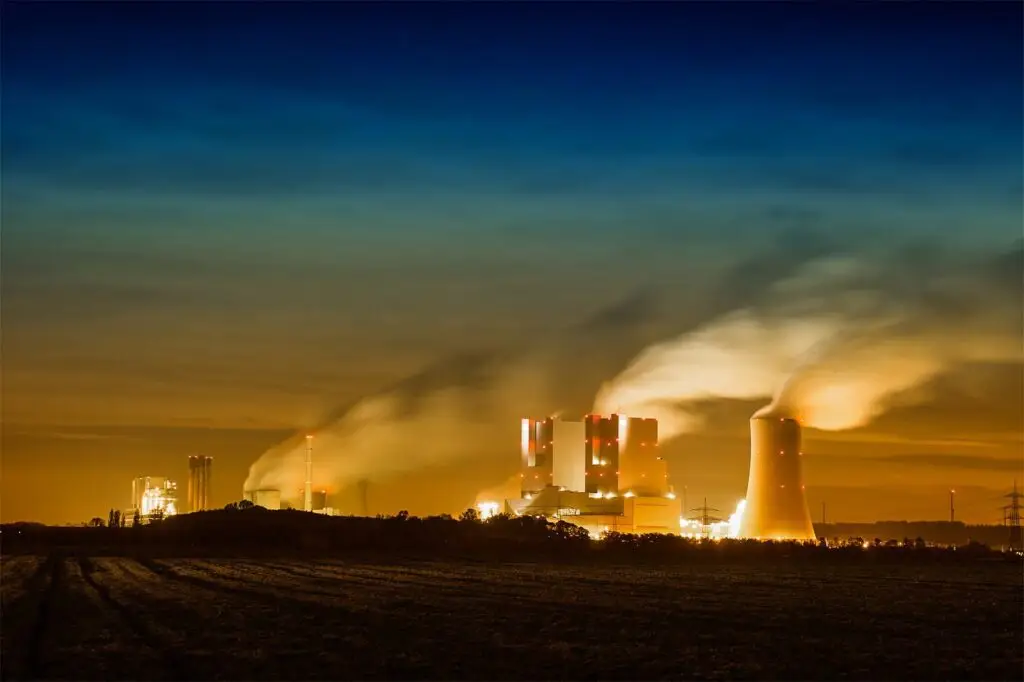
There are different types of generators for various needs: solar (solar panels, 5-7 year financing, 30-year lifespan), wind (sustainable, uses wind movement), chemical (batteries for portable devices), mechanical (hydroelectric plants with turbines), and fossil fuel (most common). Fuel generators vary: gasoline (portable, higher consumption), diesel (cost-effective, durable, lower consumption), and gas (sustainable, high efficiency). Generators 1000-1500 Ideal KVA for large establishments.
How to rent a power generator. Find out now how to request yours!
The generator rental process requires a thorough analysis of energy demand, installation site, and technical specifications. Key considerations: accurate load calculation (sum of equipment), appropriate noise level, fuel type (diesel, gasoline, natural gas), sizing to reduce peak hour costs. Tecnogera offers the EaaS model (Energy as a Service): solutions from 25kVA to 1500kVA, thermal plants up to 100MVA, Turnkey option (pay only for energy consumed), 24/7 monitoring, maintenance included, specialized technical support. Advantages of rental vs purchase: no responsibility for maintenance, conservation, accessories, and fuel.
Discover the different forms of power generation
Different types of generators convert various energy sources into electricity through chemical, mechanical, thermal, or solar processes. These include solar generation (photovoltaic panels), thermal (steam turbines), chemical (batteries), wind (wind turbines), and fossil fuels (diesel, gasoline, gas). Mechanical generation is more common, found in hydroelectric plants and alternators. The choice depends on the specific application.
Brazilian Energy Market: Understand How It Works
The Brazilian electrical system is composed of 62% hydroelectric, 28% thermoelectric, and 10% wind/importation. The National Interconnected System connects power plants to consumers through 100,000 km of lines, covering 98% of the national territory. Brazil ranks 6th globally in energy costs (R$ 402.3/MW/h), 46% above the international average. Generators offer an alternative for remote locations, peak hours, and distribution failures.
How long does a power generator last?
The lifespan of generators varies based on several factors: required power, tank size, fuel type, and operating mode. Power calculation: sum equipment in Watts, convert to kVA (multiply by 1.52), apply a 30% margin (multiply by 1.3). Tanks range from 50-140L (generators 50-150 kVA) to 200-600L (larger equipment). Diesel offers better efficiency than gasoline.
Discover how to minimize losses with temporary power generators
Temporary power generators are high-performance equipment for reliable and safe supply. They minimize losses due to power outages, protecting medications, food, and critical information. They offer 10-15% savings on bills, reaching up to 35% during peak hours. Main fuels: diesel for high power and gasoline for smaller demands. Various applications in events, hospitals, businesses, and wind farms.
Diesel Power Generator Rental: More Power, Less Fuel
Tecnogera’s diesel generators are up to 30% more fuel-efficient than competitors, offering an efficient solution for continuous power supply. With an average consumption of 40 liters/hour for models ranging from 157-170 kVA, these units are ideal for industries, events, and businesses that cannot afford power interruptions. The article explains how to calculate consumption, compares with gasoline generators, and highlights the unique features of Tecnogera’s domestic equipment, which undergoes rigorous quality control.
Discover if it’s possible to generate power from natural gas
Natural gas is a fossil fuel formed by the millennia-long decomposition of organic materials, composed of light hydrocarbons (methane, ethane, propane, butane). Found underground and offshore near oil fields, its primary application is clean power generation for industries, homes, and vehicles (CNG). Considered a cheaper and less polluting alternative to gasoline and alcohol, offering environmental benefits and reduced maintenance costs.
Understand what a diesel electric generator is
The electric generator provides power to run industrial machines, supply stores, events, construction sites, and meet residential energy needs during local grid disruptions. A generator with a gasoline or diesel engine is a practical and effective solution. It operates by the movement of a central shaft driven by the fuel combustion process. The resulting mechanical energy is converted into electrical energy by the action of the…
Power technology working for the environment
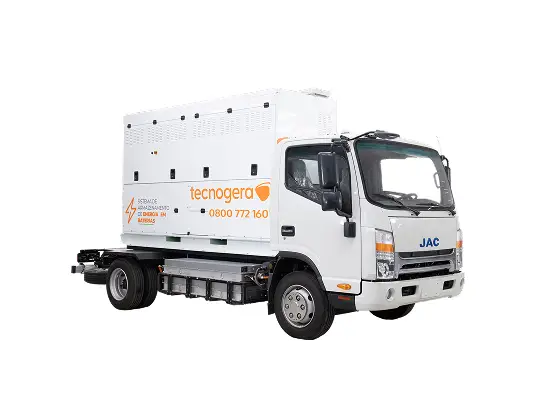
Essential to our lives and daily routines, power generation impacts nature. Each process has its pros and cons, not only regarding the environment but also in terms of feasibility and costs. Learn more about how technology can be used to reduce environmental damage and discover the most sustainable forms of electricity production. Hydroelectric power is the most common in Brazil: about 80% of Brazilian energy is produced this way.