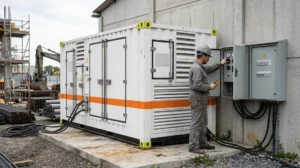
Ensuring continuous power is crucial for any operation. The QTA (Automatic Transfer Switch) is the brain of this system, but QTA failures can halt this process by preventing the generator from automatically starting.
When this component fails, the company is left vulnerable. Understanding its operation and the causes of interruptions is essential for effective risk management and quality preventive maintenance.
What is the role of the Automatic Transfer Switch in operational continuity?
The QTA acts as an intelligent switch. Its main function is to monitor the utility grid and, upon detecting any instability or total outage, send a start command to the generator and switch the load.
Without a properly functioning QTA, the transition between the grid and backup must be manual, causing critical delays in mission-critical environments.
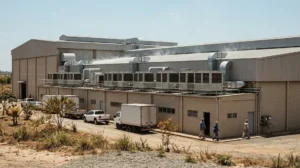
To understand how infrastructure benefits from this automation, check out our guide to digital infrastructure and clean energy in data centers.
Why might the sensor fail to detect a voltage drop?
One of the most common problems in reading network voltage occurs when the phase sensor is uncalibrated or damaged. If the sensor doesn’t “see” that the power is out, it won’t send the signal for the generator to start.
This issue arises due to constant fluctuations in the grid or natural wear of electronic components.
Therefore, periodic calibration by specialized teams is essential for the system to respond instantly to any failure.
What happens when the start signal doesn’t reach the generator?
Even if the QTA detects the power outage, the failure might be in the start command. Broken cables, blown fuses, or interface relay issues prevent the signal from reaching the generator’s engine.
In these cases, the QTA attempts to start, but doesn’t receive feedback that the engine has started.
This “silence” between equipment is a frequent cause of prolonged interruptions that could be avoided with simple inspections of the control circuits.
How does wear on contactors and motorized circuit breakers affect the system?
The physical switching of the load depends on contactors or motorized circuit breakers.
Over time and with excessive maneuvers, these components can suffer excessive wear or even “stick” due to electrical arcing.
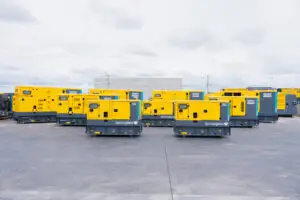
When a contactor jams, it prevents the load from being transferred from the grid to the generator. To avoid this, companies invest in renting generators for data centers, ensuring modern and serviced equipment.
What are the most common parameterization errors and logical failures?
The QTA controller operates through programmed logic. If there are parameterization errors, such as incorrectly set timers, the generator may take too long to take over or shut down prematurely.
Similarly, software failures or memory loss in the controller can misconfigure the system.
It’s crucial to use modern generator controllers and maintain a backup of technical settings for quick restoration in case of a logical failure.
Why are simulated preventive tests essential?
The best way to ensure switching is through simulated preventive tests.
These tests simulate a grid power outage to observe the real behavior of the entire ecosystem: detection, start, stabilization, and load assumption.
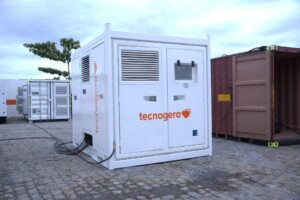
To ensure the system withstands real stress without risks to critical loads, many companies opt for renting load banks for testing in Brazil, allowing validation of the full capacity of the generator and QTA in a controlled environment.
Ready to enhance your company’s energy security?
FAQ – Questions about QTA Failures
- What is the difference between QTA and QTM?
The XQTA (X Automatic Transfer Switch (QTA) performs the power source switch without human intervention, while the XQTM (Manual Transfer Switch (QTM) requires an operator to physically activate the switches.
- How often should I test my QTA?
It is recommended to perform functional tests weekly and complete preventive maintenance monthly, preferably simulating load entry.
- What causes communication failure between the controller and the generator?
The most common causes are damaged control cables, oxidation on connection terminals, or software failures in the logic controller.