Companies that work with the processing, supply, or transportation of flammable products must pay attention to the storage care of this type of material.
The guidelines are determined by Regulatory Standard NR-20 and must be strictly followed to prevent accidents.
First, it is necessary to understand which materials these precautions apply to.
According to the standard, any liquid with a flash point equal to or greater than 70°C and less than 93.3°C is considered a combustible liquid.
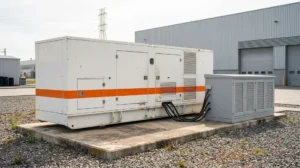
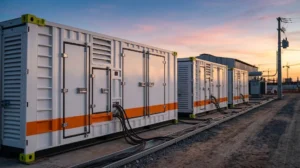
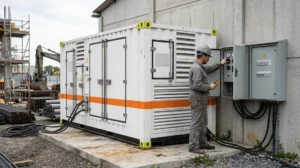
The storage of this material must be done in fuel tanks, usually made of steel or concrete.
Some special liquids may require other types of material in the composition of the tanks, which must always be spaced more than one meter apart.
It is also essential that storage tanks are equipped with devices that release excessive internal pressures caused by heat, as well as flame arresters.
They must also be protected against vibration, physical damage, and proximity to heat-generating equipment or ducts.
In the case of liquids stored indoors, it is necessary to use compartments constructed of metal sheets and mark them with visible signs warning of the presence of flammables.
Additionally, the location must meet some requirements such as:
- Walls, floors, and ceilings made of fire-resistant material
- Passages and doors provided with thresholds or ramps with at least a 15 cm drop, or open trenches covered with steel grating with drainage to a safe location
- Explosion-proof electrical installation, according to NR-10 standard
- Natural ventilation
- Firefighting system with appropriate extinguishers, near the access door
For underground Liquefied Petroleum Gas (LPG) storage containers, it is necessary to delimit the area with a fence made of open material that allows good ventilation and a minimum height of 1.80m.
Visible warnings with the words “No Smoking” and “Flammable” should be placed on it, as well as fire extinguishers.