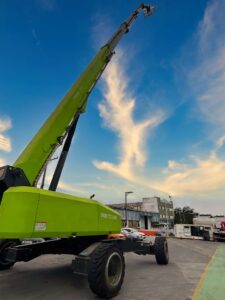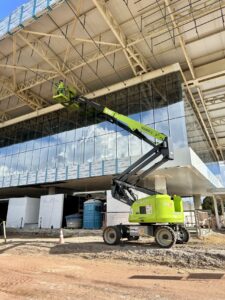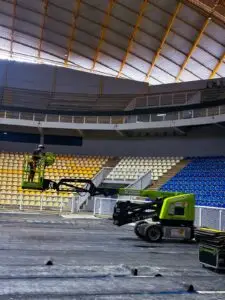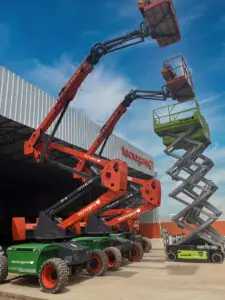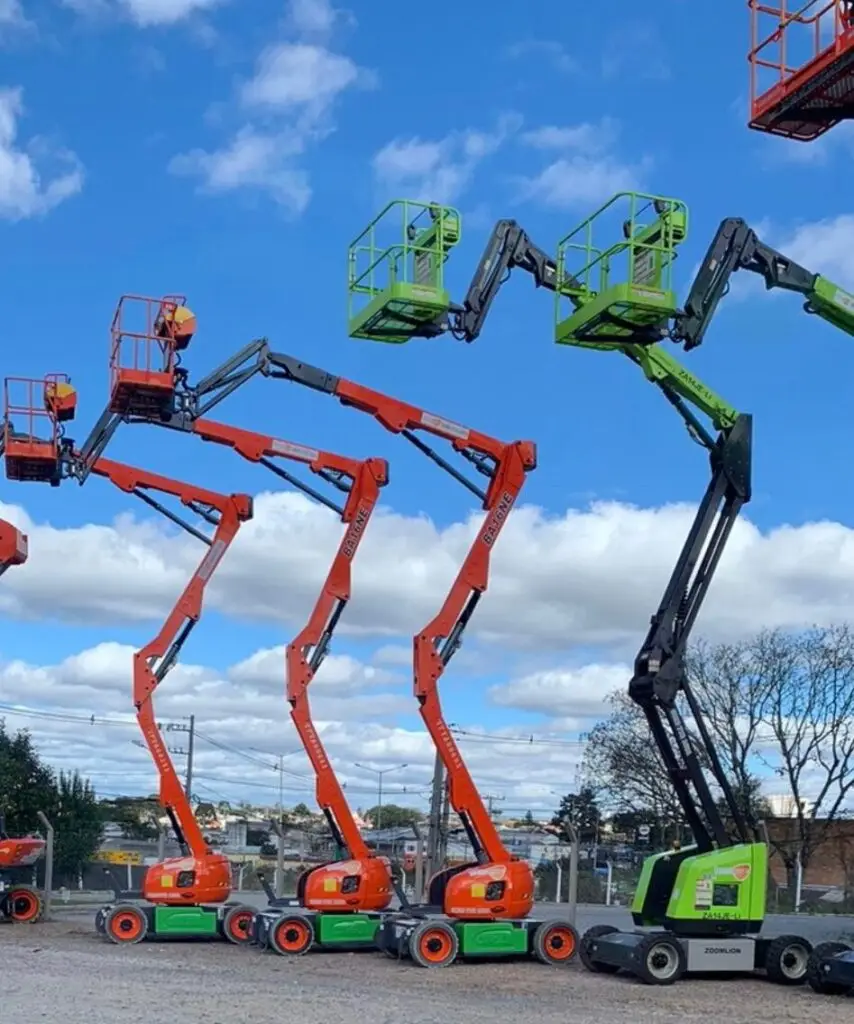
The platform operator understands that working at heights requires extra caution and the right equipment. Mobile Elevating Work Platforms (MEWPs) are essential across various industries for providing safe and efficient access to high places. Found on construction sites, in industrial maintenance, electrical installations, and many other contexts, MEWPs optimize tasks while ensuring the safety of professionals.Before starting any operation, the operator must follow a detailed checklist to ensure everything is compliant. These precautions reduce the risk of accidents, enhance productivity, and demonstrate the company’s commitment to safety and legal compliance.
The importance of following a checklist before operation
The mandatory checklist for industrial platform operators allows them to check critical operational items before using the equipment. Ensuring components are in perfect condition drastically reduces the chance of accidents.Moreover, regular use of a checklist boosts worker confidence. Knowing that all safety procedures are being followed creates a safer and more collaborative environment. For the company, this translates into fewer absences, higher productivity, and a stronger market reputation and regulatory compliance.Another reason is compliance with regulatory standards, such as NR-18 and NR-12, which require prior inspections and regular maintenance. Ignoring these requirements can lead to fines, legal sanctions, and serious labor consequences.Finally, the checklist is also a learning tool. It should be part of the training for new employees, ensuring everyone aligns with the same safety standards. In the long run, it contributes to building a more aware, responsible, and efficient organizational culture.Items that must be included in the operator’s checklist
Before starting the equipment, the operator needs to go through a thorough inspection routine, with safety procedures before beginning operation, such as:PPE Usage
Visual Inspection
Testing functions, tires, brakes, and lights
Hydraulic and electrical system analysis
Attention to safety sensors
Checklist model to follow
Here is a practical checklist model for the operator to fill out before each shift.- Check general cleanliness
- Check operation and safety manual
- Check fuel level
- Check engine oil level
- Check hydraulic oil level
- Check flame arrestor
- Check for 2 cones and 1 tape
- Check cage mounting bolts
- Check ground and basket panel
- Check emergency engine operation
- Check functions with emergency button activated
- Check all pins and locks
- Check platform and gate assembly
- Check basket and ground control consoles
- Check cylinders and hydraulic hoses
- Check boom sections / columns / rotating platform
- Check wheels and tires
- Check hood and protections
- Check rotating platform bearing
- Check cage rotation
- Check cage rotation arm
- Check audible movement alarm
- Check boom track
- Check fire extinguisher
- Check belt
- Verify the existence of PT (Work Permit)
Consequences of neglecting the operational checklist
Ignoring the preliminary check of the elevating platform can have serious consequences. Falls from height are among the most frequent accidents in this type of work and are often caused by mechanical failures, lack of PPE, or structural problems. There is also a risk of collisions with objects, machines, or people, especially when alarms or signals are not functioning.Negligence by the company and the platform operator can lead to serious injuries, prolonged absences, legal actions, and even fatalities. Besides human impacts, this represents a significant financial and reputational loss for the company. Fines for non-compliance with regulatory standards are also common in these cases.If any issue is detected during inspection:- Do not start the operation until repairs are made;
- Record non-compliances and notify the responsible party;
- Schedule the activity with the MEWP after correction;
- Reinforce training with the team;
- Apply disciplinary measures if negligence is proven;
- Encourage a safety culture with active employee participation.