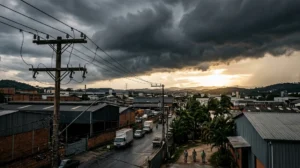
A blackout is characterized by a temporary or permanent loss of electrical power, usually caused by accidents in the distribution network or low energy supply capacity.
Current Context
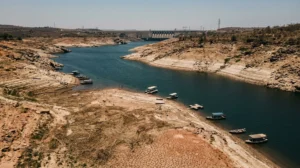
In times of water crisis, which causes the reservoirs supplying hydroelectric plants to be below ideal levels, blackouts are a reality that can once again affect the country.
What to do in case of a blackout
Initial Actions
- Stay calm and avoid panic
- Have essential items on hand such as:
- Flashlights (with extra batteries)
- Candles and matches in safe places
- Battery-powered portable radio
- Portable phone charger
Problem Verification
- Contact the energy provider
- Check if neighbors are also without power
- Consult the utility company’s social media or website for official information
Equipment Protection
- Turn off and unplug electronic devices
- Leave one light on to signal when power returns
- Avoid opening the refrigerator and freezer unnecessarily
Safety During a Blackout
- Gather people in one room to facilitate communication
- Use flashlights instead of candles when possible to avoid fire risks
- If in a public place, follow the security team’s instructions
Consumer Rights
In case of damage to electrical equipment:
- Report the incident to the utility company
- Open a service request
- Document the damage with photos and receipts
- Consult ANEEL about compensation rights
Definitive Solution: Power Generator
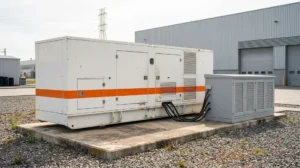
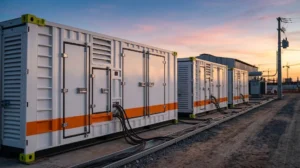
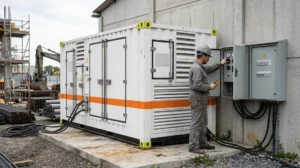
For commercial establishments, industries, and hospitals where electricity is essential, the best solution is to have a power generator. Benefits include:
- Continuity of operations during blackouts
- Protection of sensitive equipment
- Maintenance of site security
- Preservation of food and medication
- Comfort and peace of mind for customers and staff
Investing in a power generator ensures your business continues operating even during prolonged power outages.