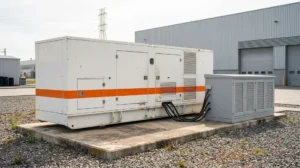
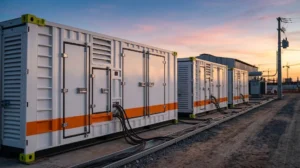
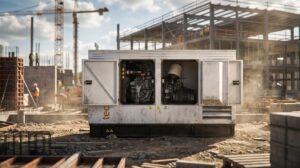
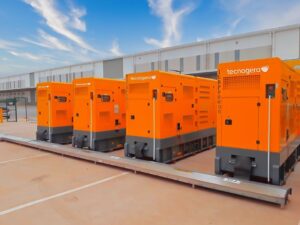
Power generators are autonomous electricity sources responsible for producing and distributing electrical energy during blackouts or distribution system failures.
Having a power generator ensures smooth operations where the demand for electrical energy cannot afford to fail, making it highly recommended for hospitals, supermarkets, shopping malls, and large-scale events.
The generator is a support that prevents production losses, maintains quality customer service, and ensures the preservation of products and materials that require constant refrigeration.
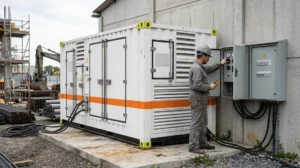
To ensure the power generator is always functioning correctly, proper maintenance of the equipment is essential.
It’s important to highlight that the equipment’s lifespan is directly related to the quality and frequency of maintenance, with preventive maintenance ensuring greater equipment durability.
Types of maintenance for power generators
1. Periodic maintenance
Conducted at regular intervals, analyzing the equipment’s operation and parts conservation, making repairs as needed.
2. Preventive maintenance
Identifies potential future problems, as well as signs of wear and deterioration that could limit the machine’s proper functioning and reduce its lifespan.
This type of maintenance improves machine performance and prevents losses and disruptions.
3. Corrective maintenance
Addresses already manifested issues by replacing defective parts and correcting faults and limitations for the equipment’s optimal use.