Magnetic energy is obtained through the proximity of two similar poles, creating a repelling force known as a magnetic field.
This principle is widely used in the industry, particularly for working with large metal parts—whether to transport heavy pieces or even to lift cars and large equipment.
Another area where this energy is used efficiently is in the transportation sector, specifically in the movement of trains traveling at high speeds.
These trains contain high-powered magnets, as do the tracks they run on.
The opposition between the like poles of the magnets creates a magnetic field that forces the train away from the track, eliminating friction areas and allowing for high speeds.
Many people believe that a magnetic generator motor could generate energy infinitely.
However, this is nothing more than a widely spread internet rumor, because according to the Law of Conservation of Energy, energy cannot be created or destroyed.
It is only transformed into different forms of energy.
All power generators that are part of our daily lives, therefore, are energy transformers.
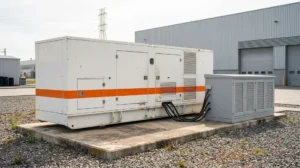
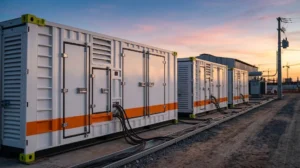
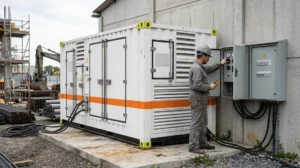
An electric power generator, for example, uses diesel combustion to power its engine and generate electrical energy.