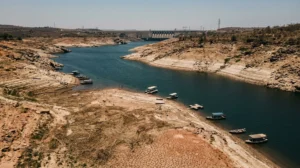
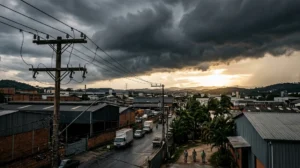
A country with continental dimensions like Brazil presents, in addition to a series of positive characteristics, significant challenges. One of them, undoubtedly, is ensuring the supply of electricity to remote locations.
Beyond the power generation capacity to meet the needs of the productive sector and over 204 million inhabitants, investment is required to deliver this energy to cities and hard-to-reach regions.
Off-Grid Systems and Partnerships
With this goal, regional utilities seek partners to supply energy and meet the demand in these regions. Today, this model is present in states like Acre, Amazonas, Pará, Rondônia, Roraima, and Amapá, as well as Fernando de Noronha.
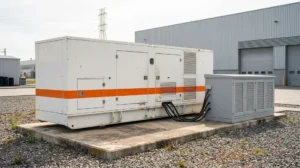
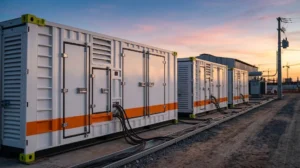
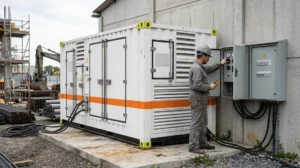
Considering these are hard-to-reach regions, thermal power generation prevails. In this context, the current fuel price scenario in Brazil increases the need to assess the efficiency of utility partners for more efficient power generation.
PIE Model and Benefits
The Independent Power Producer (PIE) model created by Aneel seeks generation efficiency, as the PIE will be responsible for power generation in a turnkey mode.
This model is essential for off-grid systems to truly have the best technology and the lowest cost for the consumer. The goal is to reduce fuel consumption with more efficient generators, consequently decreasing environmental impacts and pollutant emissions.
Thus, energy costs decrease, consumers pay less, and the environment benefits.