The situation of water reservoirs in the northeastern region of Brazil has long been making headlines.
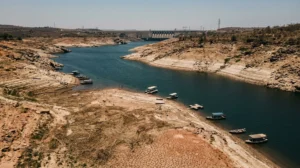
The historical lack of rainfall has always been a characteristic problem of the region, directly impacting reservoir levels, but this year the situation is likely to worsen.
With a lower volume of rain forecasted for the coming months (the rainy season runs from October to April), the reservoirs remain low.
According to data from the National Electric System Operator (ONS), in the state of Bahia alone, the three main reservoirs have low levels of stored water, with Sobradinho at 6.1%, Três Marias at 14.4%, and Itaparica at 15.5%.
With less water, hydroelectric plants may be forced to stop producing energy, directly impacting the operation of companies in various sectors and also the daily life of the population.
The lack of water can also compromise the operation of coal-fired thermal power plants.
With a lower volume of available water, the government may have to choose between using the water to cool the thermal power plants or supply the population.
In this scenario of low stored water volume and no forecast of significant rainfall, it is necessary to invest in emergency structures for transposition between reservoirs, as was done in São Paulo during the 2015 water crisis.
At that time, it was necessary to transfer water between the Atibainha and Jacareí II reservoirs to the Cantareira System.
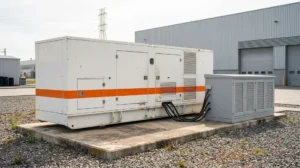
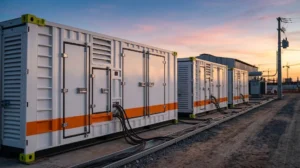
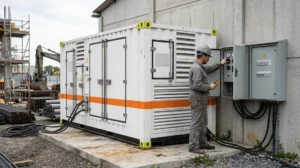
For this, it is necessary to create a water pumping structure, which is powered by generators, responsible for providing energy to the water pumps and maintaining the structure of the mini transposition stations.