

Tecnogera invests in acquiring 400 power generators
Tecnogera kicked off 2015 with a significant acquisition of 400 power generators, driven by funding from the P2 Brasil fund. This investment aims to meet the growing demand for temporary energy solutions and expand into other regions of the country and…
The Role of Diesel or Natural Gas Generators in the Healthcare Sector
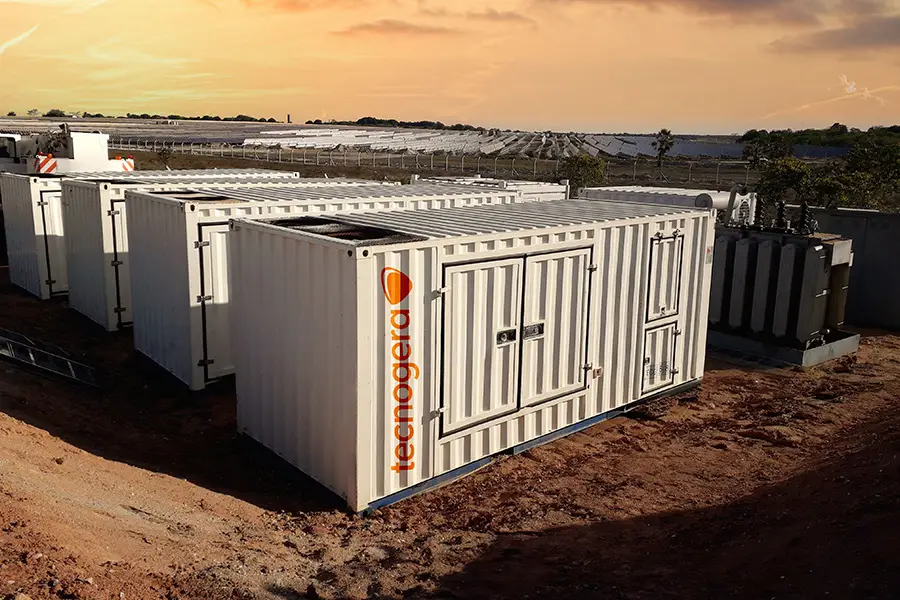
Operating rooms and essential hospital loads require backup power in case of grid interruptions, as power outages put lives at risk. There are two main types of generators: natural gas (high investment) and diesel (more commonly used, with 8-hour autonomy). Proper sizing ensures all loads are powered. The rental model is gaining traction, where the contracted company is responsible for updates, maintenance, and 24/7 monitoring. Anvisa recommends automatic transfer in less than 10 seconds. Field hospitals are temporary structures set up for critical situations like COVID-19. It’s crucial that the supplier is prepared to operate 24/7 in the healthcare sector.
Why does a building need a power generator?
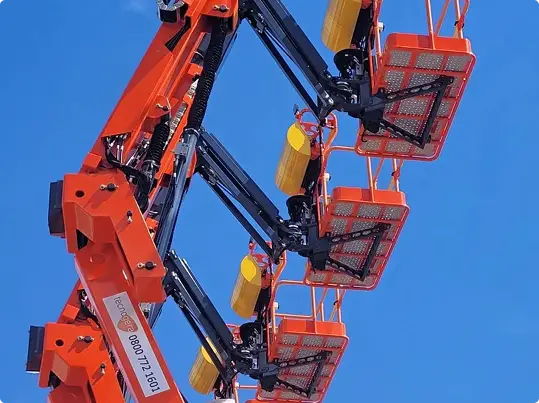
During the summer, increased demand causes power outages, making the lack of energy a major inconvenience. Installing a power generator can be particularly beneficial in buildings due to its cost-effectiveness. In case of outages, generators can supply power for over 12 hours to elevators, gates, pumps, alarms, intercoms, and lighting. The São Paulo Building Code mandates…
Which generator can be used at a music show?

The power generator is indispensable at music shows and festivals, ensuring the operation of speakers, lighting, screens, and displays without interruption during blackouts. It values the work done and ensures safety at the entrance and exit of the audience, especially at night, preventing turmoil. The…
Preventive Generator Maintenance Plan: What It Is and Why It Matters
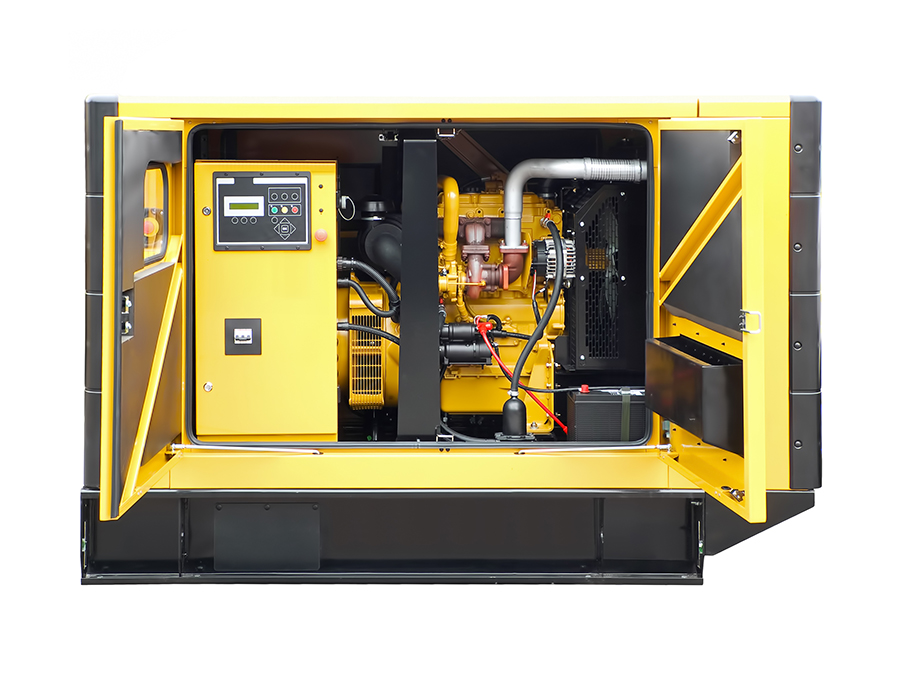
A preventive maintenance plan ensures a longer lifespan and proper functioning of the power generator. It periodically certifies quality by analyzing energy production capacity, components, and parts. It must be executed by authorized professionals following the manufacturer’s guidelines, with recognized companies and specialized technicians. A generator is a complex piece of equipment that requires expertise. The main goal is to certify operation and ensure maximum performance. Non-compliance with standards can void the warranty. Advantages: increased reliability, quality in supply, extended lifespan, and reduced repair costs.
What are the main applications of power generators?
As everyone knows, electricity is considered the most convenient and, at the same time, the most efficient way we currently have to transport energy and consequently use it in various manufacturing processes. Its emergence came as a replacement for steam-powered machines; the form of energy used and, why not, responsible for the industrial revolution.
Energy Efficiency: Strategies to Reduce Consumption
Energy efficiency is about the rational and conscious use of energy, aiming to meet needs without depleting natural resources. It involves optimizing processes, using modern equipment like LEDs and efficient motors, planning activities to reduce waste, and maximizing natural light. The benefits include cost reduction, increased competitiveness, sustainability, and energy security. Practical strategies include preventive maintenance, thermal insulation, equipment with the Procel seal, and monitoring systems. Tecnogera offers customized solutions to optimize energy costs and ensure reliability.
Understand What a Circuit Breaker Is and Its Purpose

A circuit breaker is an electromechanical device that protects electrical installations from overloads and short circuits. It monitors electrical current, interrupting the flow when there are spikes above the appropriate level. It prevents accidents such as equipment damage and fires. Main types include: high voltage (large capacities up to 100A), magnetic (precise protection against anomalies), thermal (interrupts due to high temperature), and thermomagnetic (residential/commercial). Essential for electrical safety in various applications from domestic to industrial.
The Importance of Emergency Power Generators
Electric power is essential in various situations, being a crucial factor for safety and stability, hence the need for emergency power generators. In the industrial sector, the demand for energy is high, and utility failures can halt production. Scheduled outages for grid maintenance are necessary practices. In hospitals, emergency power is literally the lifeline for maintaining the lives of thousands of people where there is no room for power supply failures.
UPS System: Understanding Uninterruptible Power Supply

The UPS system provides stabilized power instantly when there’s a disruption in the primary grid, differing from other emergency systems. UPS units prevent abrupt shutdowns of computers and electronics, ensuring 10-15 minutes of operation through a battery charged by the electrical grid. There are online types with double conversion AC-DC-AC and offline with…