

Diesel power generator: advantages and applications
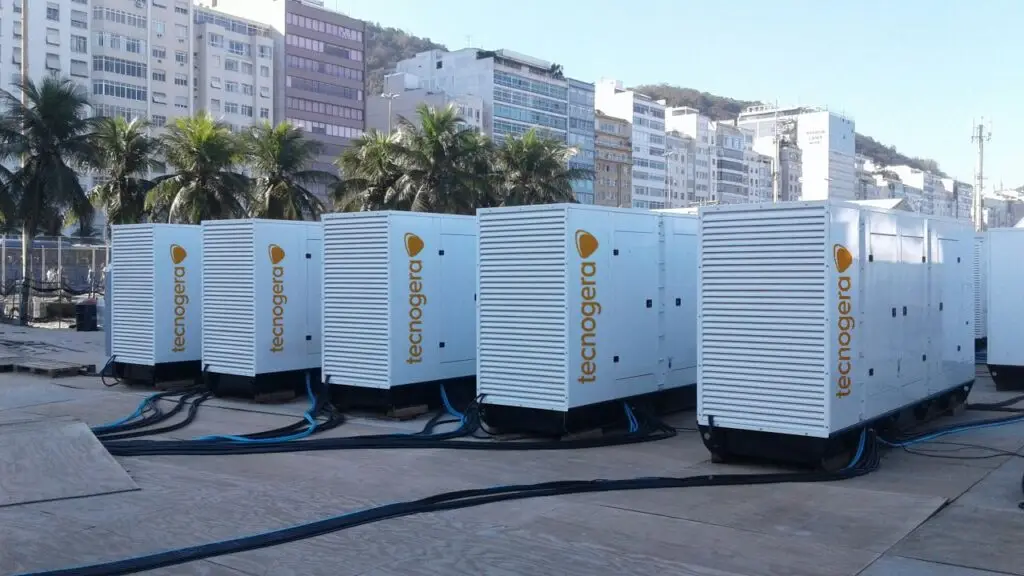
The choice between diesel or natural gas generators depends on various factors such as efficiency, operational cost, and operating conditions. While diesel generators offer higher energy efficiency (36-41%) and lower cost per kWh, gas generators are less polluting and do not require fuel storage. The decision should consider the intended use, whether for emergencies, construction, or continuous operations, as well as aspects like maintenance and environmental impact.
Drought in the Northeast Creates Opportunities for the Temporary Energy Sector
After the rainy season ends in the Northeast, local reservoirs continue to have low water storage levels, and the risk of rationing remains high. In this scenario, the Castanhão reservoir, which supplies the greater Fortaleza area in Ceará, is at 5.5% of its capacity, which is 6.7 billion liters of water—a situation deemed critical by the National Water Agency (ANA).
Renewable Power Generation: How It Works

The renewable power generation market is expanding in Brazil, with wind and solar sources taking the spotlight. The country has 167 wind farms and 74 solar plants under construction, with wind energy expected to become the country’s second-largest source by 2020. Wind generation grew by 61.5% in the first two months of 2017, producing 3,495 average MW. Tecnogera is active in the sector, providing commissioning and load bank supply for plants, ensuring quality and safety in performance testing.
March started with a yellow tariff flag
Due to low reservoir levels, ANEEL set the yellow tariff flag for March, with an extra charge of R$ 2.00 for every 100kWh consumed. Despite heavy rains at the beginning of the year, it was necessary to activate thermal power plants, which have higher operational costs. Since February, the yellow flag rate is R$ 2.00/100kWh, while the red flag level 1 costs R$ 3.00/100kWh and level 2, R$ 3.50/100kWh.
Complete Guide: How to Choose the Ideal Generator for Your Industry
Choosing the ideal generator for your industry requires analyzing various factors such as required power, fuel type, operation regime, and maintenance. This comprehensive guide presents the main characteristics of generators by industrial segment, fuel consumption, technical specifications, and the importance of load bank testing to ensure efficiency and prevent failures.
Power for the show to go on
The year 2017 will feature a diverse lineup of shows and musical concerts catering to all tastes. In addition to the two major festivals – Lollapalooza (in March in São Paulo) and Rock in Rio (in September in Rio), concerts by artists like Elton John & James Taylor, Justin Bieber, Bryan Adams, Ed Sheeran, and Sting are already confirmed to take place in major Brazilian capitals.
Different types of power generators and the best fit for your needs
January has begun, bringing with it the season of heavy rains, especially in the southern and southeastern regions of the country. With the rains come sudden power outages, which can cause disruptions and losses. To prevent or minimize these losses, the use of power generators is recommended to maintain the.
Power Outages in Adverse Situations: How to Manage
After a year marked by a water crisis, 2016 began with heavy rains, raising reservoir levels, especially in the South and Southeast regions of the country. The rains improved power generation conditions, minimizing the risks of an energy crisis, but they do not eliminate the risks of isolated outages. Keeping a power generator on standby and creating an emergency plan are essential measures for businesses, hospitals, and other establishments that cannot afford interruptions in power supply.
Load bank for testing diesel turbo generators
The load bank for testing diesel turbo generators is a high-standard system that prevents issues related to the activation of the power generator equipment. This device can be reactive or resistive, capable of performing quality tests on power sources with complete safety and without compromising electrical voltage. The equipment is essential for verifying the safety and performance of turbo generators, conducting precise measurements of power, voltage, current, and other critical parameters.
What are the differences between a synchronous and asynchronous generator?
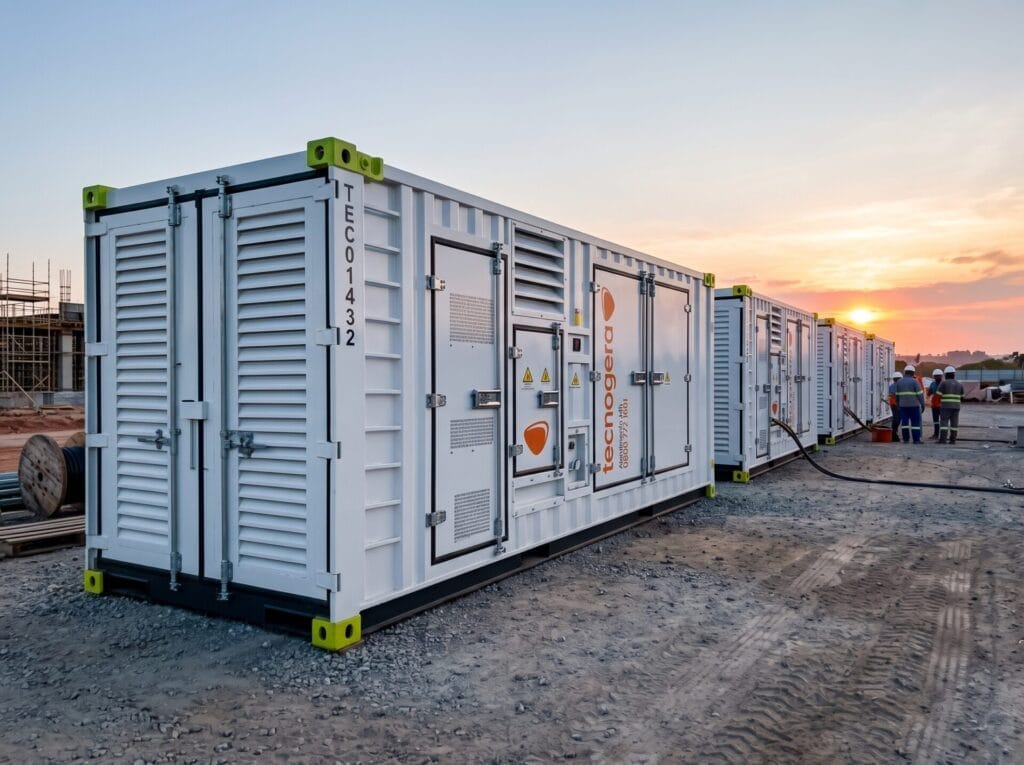
Power generators are classified as synchronous and asynchronous according to their operation. The synchronous generator maintains frequency synchronized with motor rotation, offers fixed frequency regardless of load, and is used in hydroelectric plants, but requires direct current and maintenance of mechanical contacts. The asynchronous generator has a simpler and more robust construction, without mechanical contacts in the rotor, used in wind turbines, but requires reactive power and stops if the load exceeds capacity. Both convert mechanical energy into electrical energy for hospitals, industries, and events.