

How to strengthen the oil and gas sector with energy solutions?
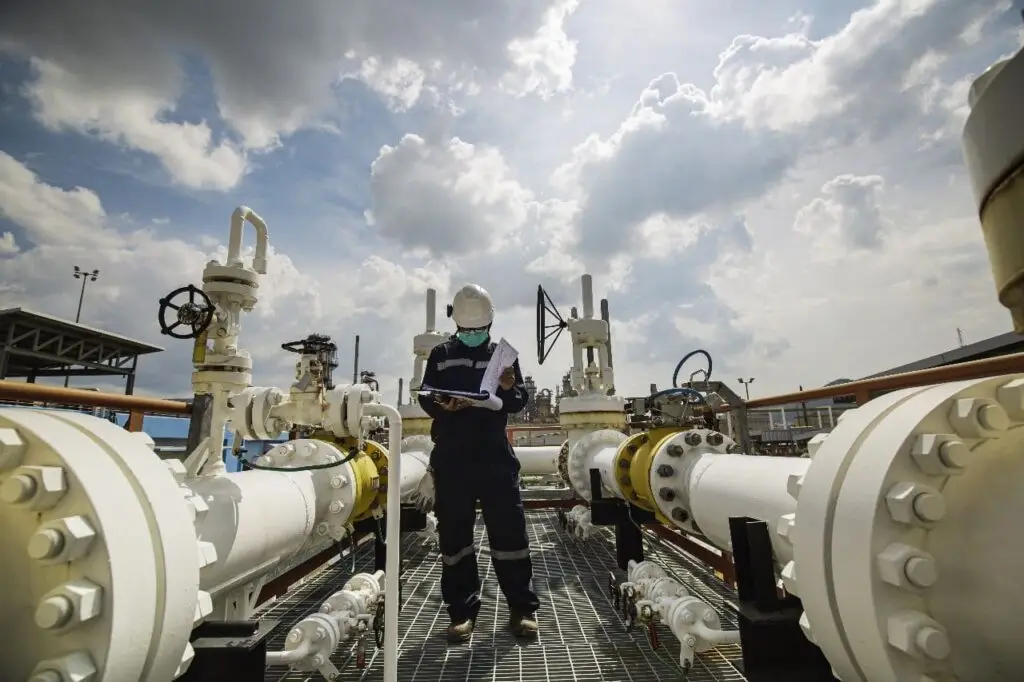
The oil and gas sector grew by 1.9% in the first quarter of 2023, reaching 7.7% of GDP according to the IBGE. Energy solutions strengthen the sector through temporary generation, offshore environment air conditioning, support in drilling, and testing with load banks. The dynamic market includes onshore and offshore activities, transportation, and refining, demanding continuous energy in locations with poor or non-existent supply.
Should you buy or rent a power generator?

Deciding whether to buy or rent a power generator depends on specific factors like industry, activity, and need. Generators are crucial for both emergency and planned situations, offering up to 25% savings on energy bills. Renting provides advantages such as reduced maintenance, customized projects, and guaranteed operation, making it more viable for companies focusing on their core business activities.
Advantages of Lithium Batteries for Aerial Platforms
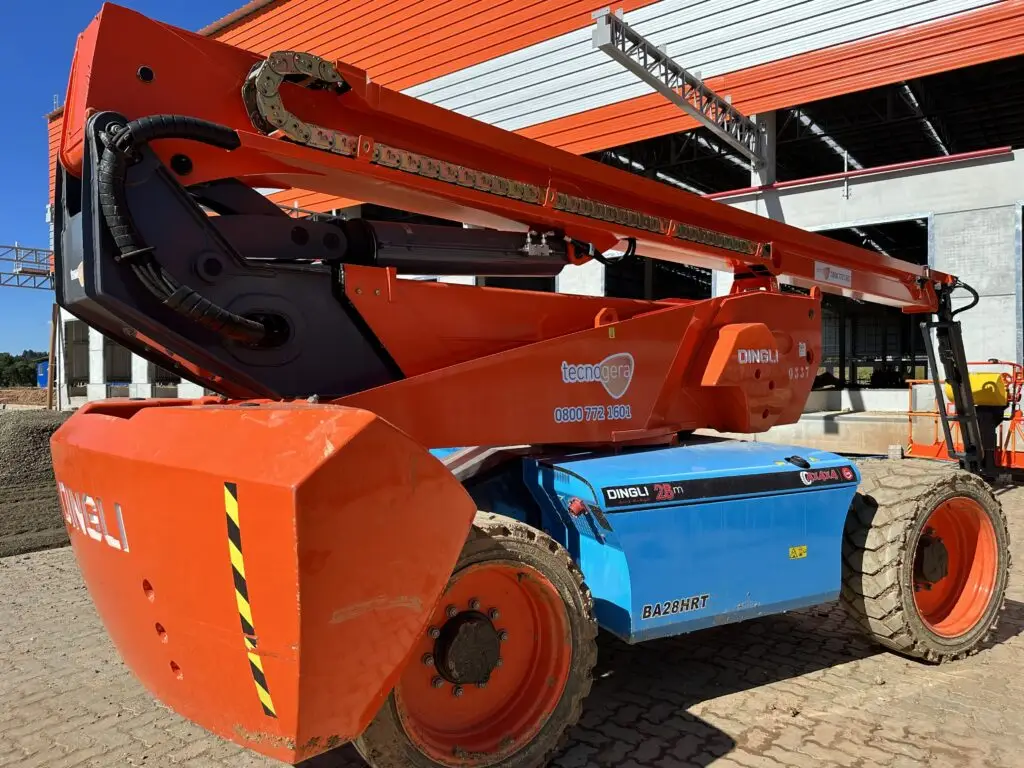
Lithium batteries in aerial platforms offer fast charging, better performance, lower operating costs, and longer lifespan. They provide significant environmental benefits by eliminating pollutant gas emissions, unlike diesel models that emit 2.6 kg of CO2 per liter of fuel. Platforms with lithium batteries allow continuous operation in shifts, short-interval charging, and maximum productivity with sustainability.
Scaffolding vs. Aerial Platforms: How to Choose the Best
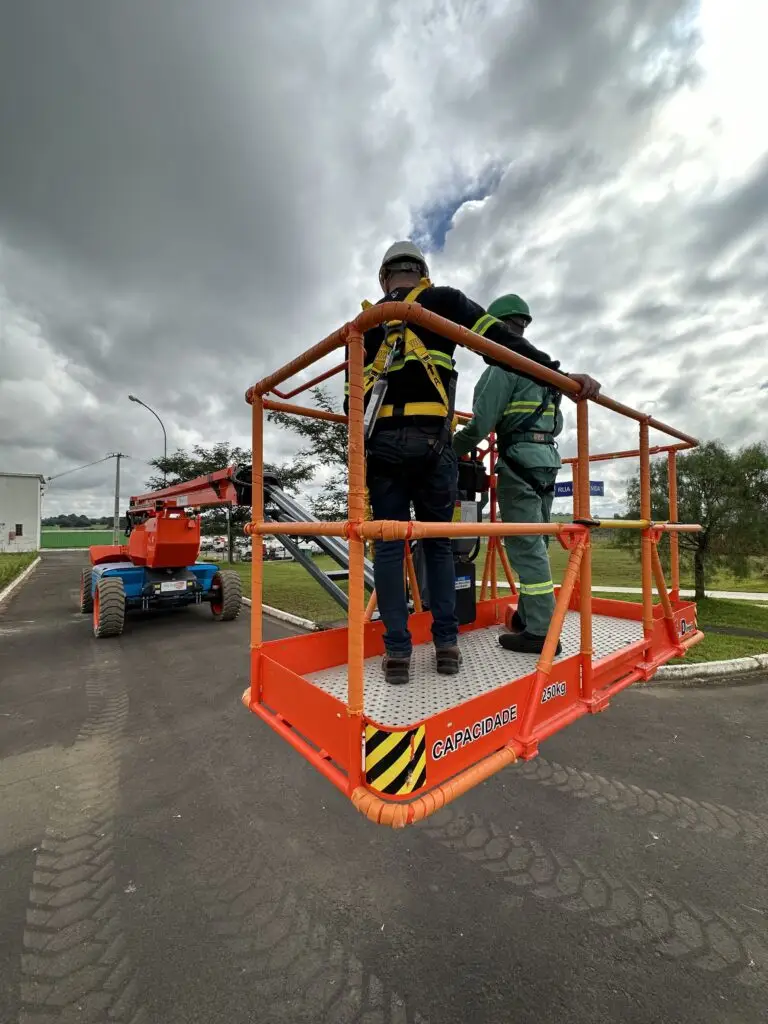
The choice between aerial platforms and scaffolding should consider the specific needs of each company. Scaffolding arrives disassembled and requires on-site assembly, while aerial platforms arrive ready for use. Platforms offer advantages such as anti-crush sensors, reduced operation time, agility in movement, and flexibility. For most applications, aerial platforms are more viable than scaffolding, offering greater safety and productivity.
Why Use Solar Lighting Towers in Your Operation?
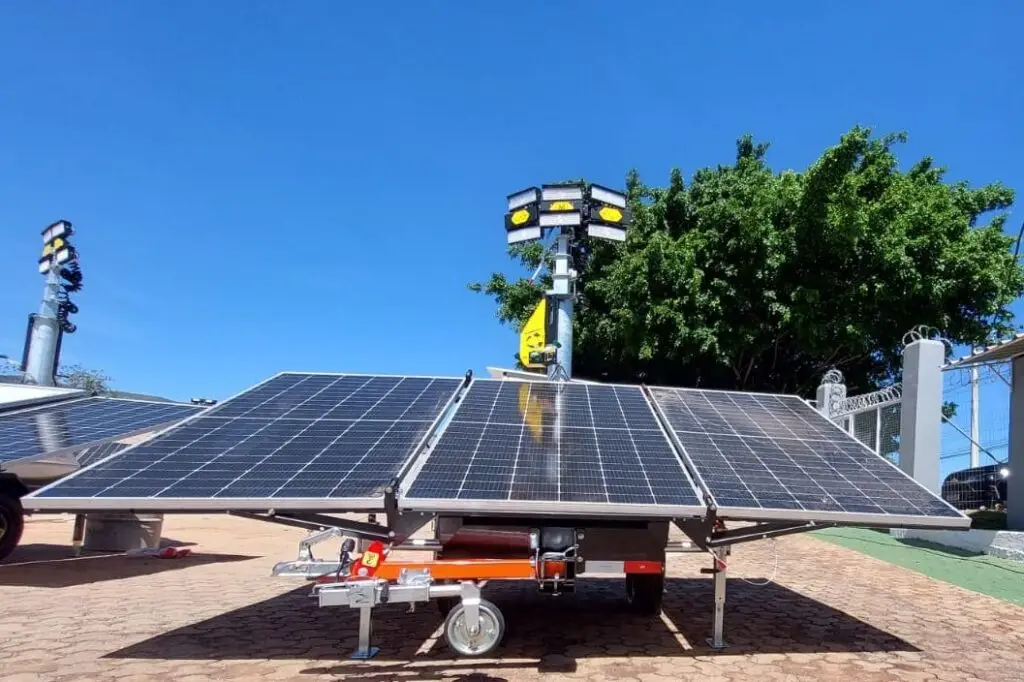
Solar lighting towers harness energy from the sun using photovoltaic panels and store it in battery banks, ensuring autonomy even on cloudy days. They deliver 4,000W of power through LED floodlights, enhancing productivity, safety, mobility, and environmental benefits without emitting pollutants. Ideal for mining, construction, events, agriculture, roads, and various operations requiring large-scale lighting.
Energy Transition and Aerial Platforms
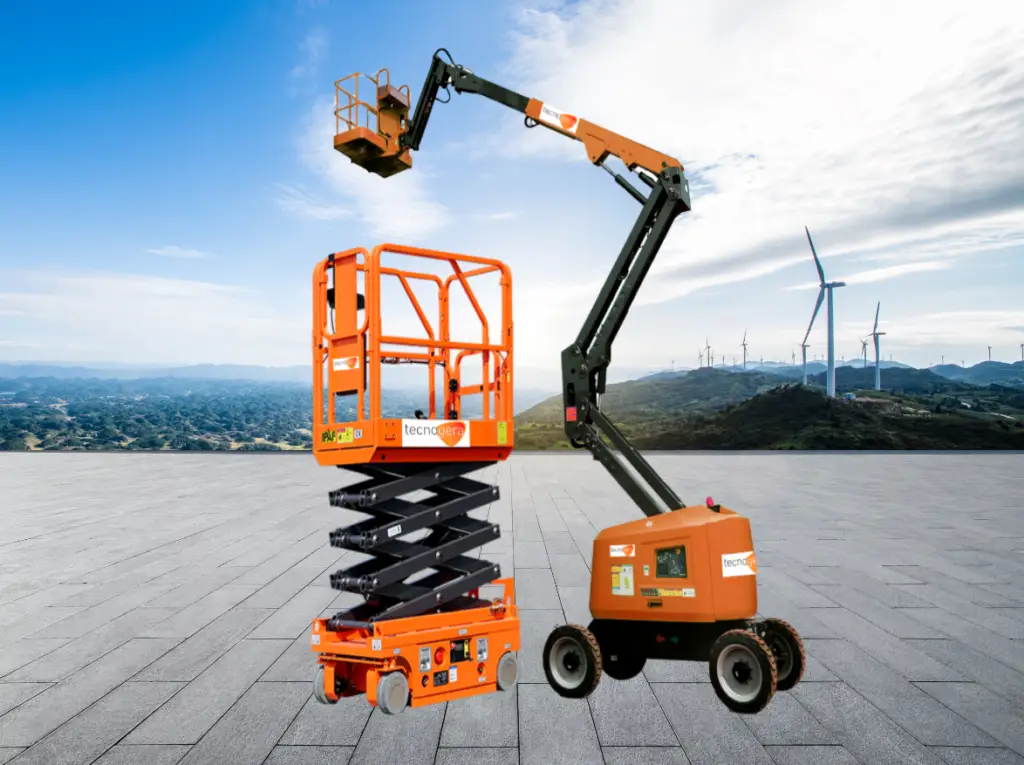
The energy transition encourages the shift from polluting sources to a renewable, low-carbon energy matrix. In the aerial platform market, this shift has led to investment in electric equipment with lithium batteries. These platforms offer the same operational capacity as fuel-powered models, with added benefits such as operation in low temperatures and fast charging.
Tidal Energy: How Tidal Power Works

Tidal energy is generated through the movement of seawater and ocean waves that drive turbines, converting mechanical energy into electricity. It requires a minimum sea level rise of 5.5 meters. Advantages: renewable and clean source, minimal environmental risks, the vast volume of water allows for significant energy generation, simple maintenance. Disadvantages: dependence on wind and maritime conditions, high initial investment, need for reinforced installations, and geographical limitation – only feasible in locations that meet 100% of geomorphological requirements.
Future Outlook: Renewable Energy
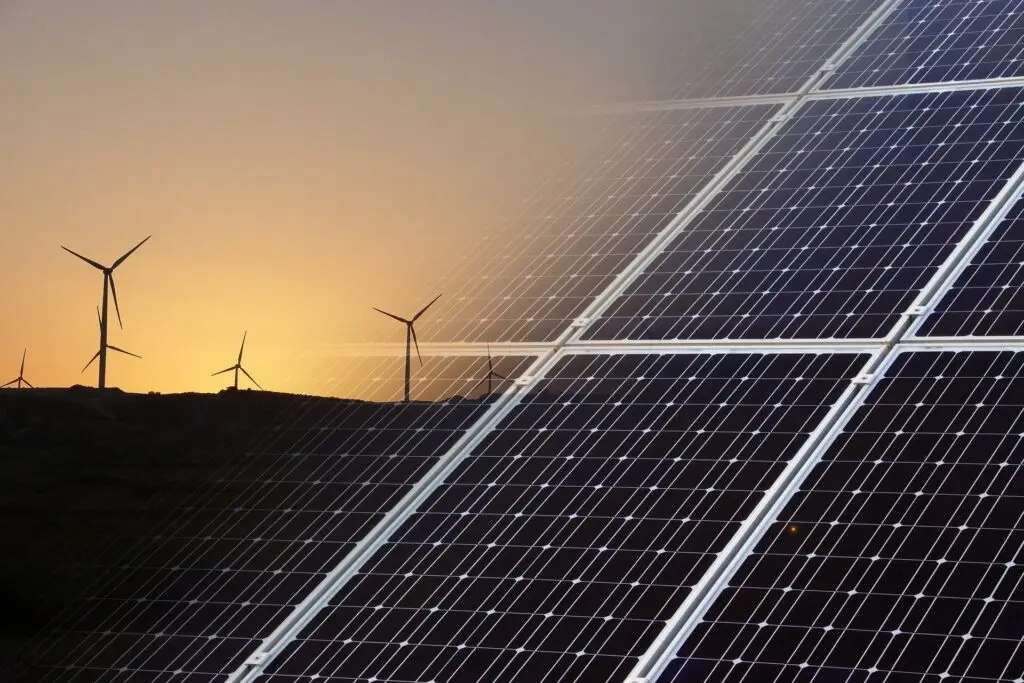
Renewable energy has positive growth prospects even during the pandemic. The sector does not impact the environment, reduces greenhouse gases, and protects communities. Distributed generation is a great investment following the regulation of the free market. The Federal Government prioritizes electricity and sanitation with BNDES offering low-interest financing. Starting in 2023, consumers with demand exceeding 500kW can choose suppliers. The R$ 134 billion volume (2019) could triple in a decade. Brazil will focus on wind and solar energy with technological advancements.
Renewable Energy: All About Biomass

Biomass is organic matter from animal or plant origin used as a renewable and sustainable energy source. Its use has been growing in Brazil, especially in thermoelectric plants for areas not covered by the conventional system. Biomass operates through the carbon cycle, where plants absorb CO2 and transform it into organic matter. The main conversion processes are pyrolysis, gasification, combustion, and co-combustion. In Brazil, biomass accounts for about 13% of the final energy consumption, mainly produced from sugarcane bagasse, firewood, and charcoal.
What is biogas?
Biogas is a renewable fuel produced by the anaerobic decomposition of organic matter through bacteria, without the presence of oxygen. Composition: 60% methane, 35% carbon dioxide, 5% other gases (hydrogen, ammonia, nitrogen). It can be extracted from landfills for up to 30 years or produced in specialized anaerobic reactors. Advantages for generators: lower environmental impact vs diesel, reduction of greenhouse gases, utilization of organic waste, supply via utilities (greater security than fuel storage), reduced operational costs, sustainable corporate image. Brazil has Bill 2193/20 for Federal Biogas/Biomethane Policy encouraging production and research.