

Energy Storage: Trends for Businesses

Energy storage has evolved from a technology primarily for large utilities to a strategic asset for businesses. Driven by the pursuit of energy efficiency, operational security, and emissions reduction, the energy storage market is rapidly growing worldwide. According to the International Energy Agency (IEA), storage systems are among the most crucial technologies to support the […]
Tecnogera: 20 Years of Innovation and Growth
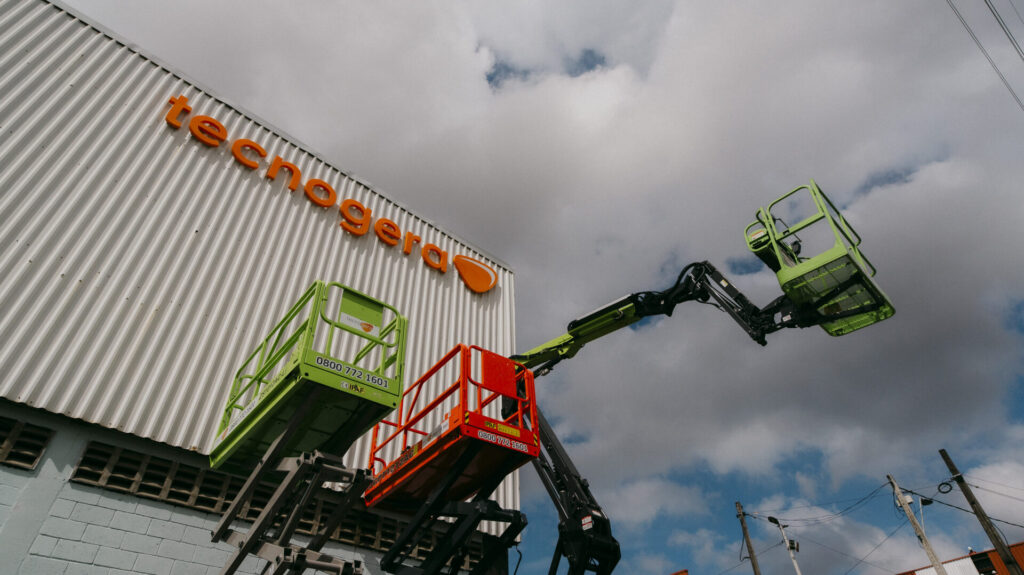
In June, Tecnogera celebrates 20 years of innovation and growth alongside clients, employees, partners, and suppliers. Over two decades, we’ve witnessed the transformations in the Brazilian energy market, expanded our portfolio, and strengthened our commitment to energy security and operational continuity. More than just celebrating a significant milestone, this moment is an opportunity to acknowledge […]
Energy transition: transformation in the electric sector

The energy transition represents the global paradigm shift in how we produce and consume electricity. This movement seeks to replace fossil sources with clean and renewable energy, aiming to reduce the impacts of climate change and meet new regulations. In the current scenario, the Brazilian electric sector stands out for its hydro-based foundation but faces […]
Energy transition: what it is, importance, Brazil’s case, and challenges

The energy transition is the gradual process of replacing fossil fuels with renewable sources, aiming to decarbonize the global economy. Its objectives include reducing greenhouse gas emissions, promoting distributed generation, and fostering technological innovation. Its importance encompasses environmental aspects (combating climate change), economic aspects (energy security and creation of green jobs), and social aspects (improving air quality). Brazil holds a privileged position with a clean electricity matrix (80% renewable) and enormous potential in solar, wind, and biomass. The main challenges are the intermittency of renewable sources, the need for transmission and storage infrastructure, and the decarbonization of final consumption sectors. The transition positions Brazil as a promising destination for global investments, promoting regional development and the creation of green jobs.
World Energy Day (May 29): history, importance, and solutions

Date created in 1981 by the Directorate General of Energy of Portugal to raise awareness about the responsible use of electricity. It promotes reflection on energy efficiency, renewable energies, and combating waste. Tecnogera offers EaaS (Energy as a Service) solutions with a modern fleet of generators and participation in a renewable matrix, having commissioned over 2,000 wind turbines in Latin America.
Thermal power plants: what they are and how they work in Brazil
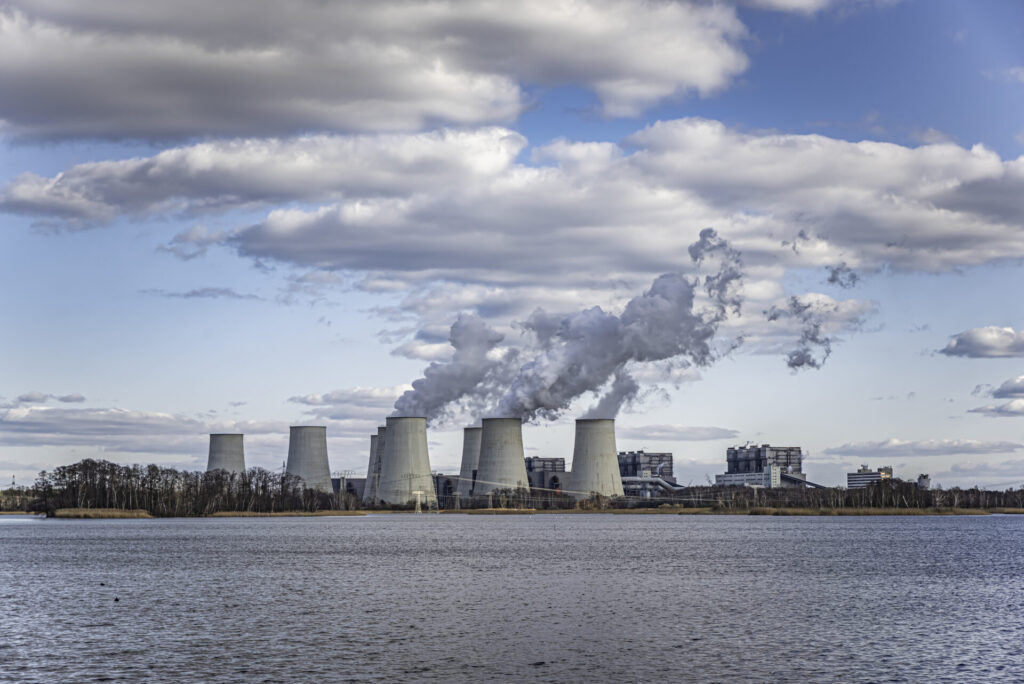
Thermal power plants produce electricity from heat released by the combustion of natural coal, fuel oil, wood, and natural gas. Operation: material is burned heating a boiler generating high-pressure steam that moves turbines connected to the generator. Advantages include construction close to consumer centers saving transmission and constant production regardless of the weather. Brazil has almost 2,000 thermal power plants responsible for a quarter of the total capacity. Highlights include the Jorge Lacerda Complex in SC, the largest in Latin America…