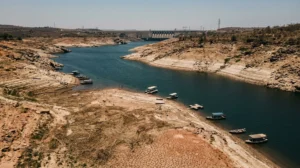
The month of August began with heavy rains in several regions of the country. However, the situation of the water reservoirs of hydroelectric plants, especially in the northeast region, remains critical. Even with the rains, in most cases, the water level remains below that recorded in the month of July.
In the northeast region, the average reservoir level is at 34.5%, a percentage below the average recorded in the last 15 years, which was 50.9%. In the southeast and central-west regions, the scenario is similar. The month of August began with an average of 33.57%, a rate well below the average of the last 15 years (57.5%).
Critical situation in Bahia
The most concerning situation is in Bahia. According to the National Water Agency, 180 of the 417 municipalities in Bahia are in a state of emergency due to drought, which already affects more than 4 million people.
Impact on electricity cost
The dry period and lack of water are already directly impacting the cost of electricity, one of the main inputs of the Brazilian industry. For the third consecutive month, the National Electric Energy Agency (Aneel) adopted the red tariff flag level 2, with an increase of R$ 5.00 on the bill for every 100kWh consumed.
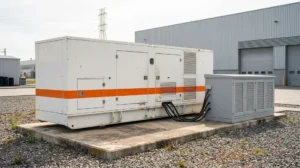
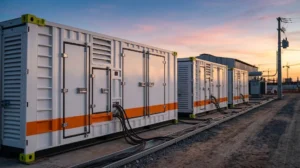
In this scenario, the search for alternatives to meet energy demands grows significantly and the adoption of temporary energy provided by generators strengthens as an option for the market.
Applications in water pumping
In the pumping of water from hydroelectric reservoirs, the use of power generators is essential, as they ensure the operation of the pumps responsible for the removal and transfer of water from the deeper areas of the reservoirs.
In 2015, when the city of São Paulo faced one of the worst water crises, Tecnogera developed a specific solution for Sabesp. At the time, the company installed a structure with generators to power the pumps that drained water from the so-called dead volume to the higher levels of the Cantareira System, which ensured the supply of millions of homes.
Solutions for the industry
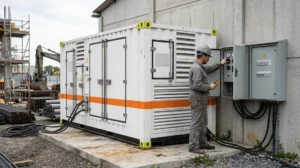
For industries, generators act as a supplementary source or operate on standby for possible interruptions in the utility supply or in case of a blackout, such as the one that occurred in March of this year and left 13 states in the North and Northeast regions of the country without power.
With 12 years in the market and operations throughout Brazil, Tecnogera specializes in developing complete temporary energy solutions to meet the most diverse demands. With a highly specialized team, it also has the most modern fleet of generator sets in the country.
Read also: the impacts of El Nino and La Nina on the electric sector