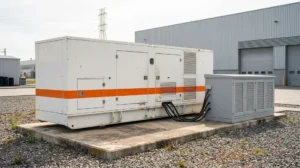
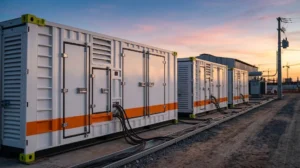
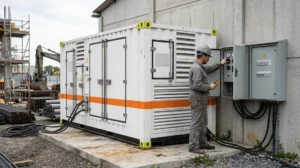
The power generator is an essential piece of equipment to ensure the supply of electricity when the power is interrupted for any reason. However, this device produces significant noise during operation, and to prevent it from becoming a nuisance to neighbors and ensure comfort for everyone, a noise attenuator for generators is used.
Manufactured with highly durable and quality materials, such as selected steel, the noise attenuator is typically developed according to the client’s needs—identified through a technical visit that analyzes the dimensions and location where the power generator is installed, as well as the size of the equipment.
Generally, noise attenuators work with air intake or exhaust, creating effective acoustic isolation that does not hinder air circulation in the environment.
Features of the noise attenuator for power generators
The noise attenuator for generator sets can be manufactured in various shapes, in steel sheet coated with lamellar acoustic absorber, labyrinth type, or with an absorbent core.
Among the most commonly used acoustic absorbers are mineral wool coated with plastic film, flame-retardant fabric, or glass veil. Noise attenuators for generators may also feature expanded steel sheet or perforated sheet for mechanical protection.