Like other sectors of the economy, the energy sector is also expected to continue feeling the impacts of the economic slowdown this year. The latest forecasts released by the National Electric System Operator (ONS), in partnership with the Energy Research Company, indicate that estimated consumption for 2016 is expected to grow only 1% compared to 2015.
Considering that last year, preliminary data points to a decline of nearly 2% (1.9%), even with the slight recovery expected this year, demand will still be below the levels recorded in 2014.
Energy Supply Scenario
This scenario, in a way, should represent a “breather” for the federal government in the face of the challenges of increasing the country’s energy supply. If the economy were more accelerated, certainly, the dilemmas to ensure power generation and supply would be even more concerning.
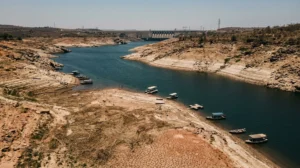
Considering that the largest installed capacity of the Brazilian electric sector is in hydroelectric plants, a significant portion of the energy volume available for 2016 depends on the rainfall to be recorded, mainly until March. So far, everything indicates that the year will be more favorable than 2015.
North Region and Isolated Systems
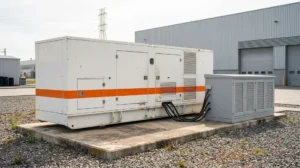
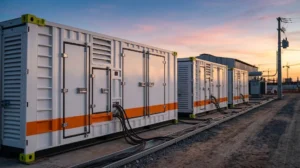
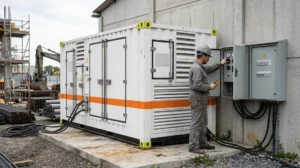
Specifically for the North region, where thermal power generation prevails mainly in the states that make up the Isolated System, the focus should be on more efficient thermal generations in terms of consumption and the change of old contracts from the rental modality to the Independent Power Producer (IPP) model by the National Electric Energy Agency (ANEEL).
The main objective is to ensure:
- Greater energy efficiency
- Reduction in pollutant emissions
- Decrease in generation costs (R$/MWh)
Outlook for the Energy Sector
In light of this scenario, some trends stand out for the energy sector in 2016:
- Greater investment in alternative energy sources
- Modernization of existing thermal power plants
- Encouragement of energy efficiency
- Expansion of distributed generation
Although the challenges are significant, the opportunities for innovation and improvement in the efficiency of the Brazilian energy sector are equally substantial, especially given the need to balance demand, costs, and environmental impacts.