Imagine it’s the final of the Brazilian Football Championship, popularly known as “Brasileirão.” The stadium is full of fans and journalists, not to mention those watching on television, whether at home, in bars, or restaurants across the country. In common, everyone is eager to follow the match between the two teams that will take the field.
Suddenly, the lights go out, leaving everything in complete darkness. Minutes pass, impatience takes over the people, the game commentator questions the stadium’s ability to host the match, complains about the power company, and still no sign of the lights coming back on.
Real cases of blackouts in stadiums
Similar incidents to the one described have already happened in important games, such as in 2012, at the Estadio Centenario in Argentina. The power outage compromised a match between Brazil and the “hermanos” for the Superclásico de las Américas for an hour, until it was finally canceled and rescheduled for another date.
Another similar episode occurred at the Pacaembu Stadium in São Paulo during a Paulista Championship match between Santos and Corinthians, held on March 4, 2018. There was an interruption in power distribution, which compromised the game for 49 minutes. After the unforeseen event, it became clear that the stadium should have an energy security plan and adopt the use of temporary power generators.
Solution implemented at Pacaembu
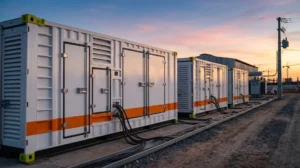
To avoid more incidents of this kind, the Tecnogera team, aligned with the Municipal Department of Sports and Leisure and Eletropaulo, made an energy plan and currently provides temporary power for Pacaembu in all games hosted there. The hiring is always done by the home team, which does not want to risk having the match interrupted. At Pacaembu Stadium, currently, the energy for all matches is being guaranteed by power from generators.
Causes of power outages in stadiums
Very common, power outages can happen due to various factors, such as failures in the distribution system, accidents involving transformers and poles, storms, strong winds, wire thefts, and problems with the power company in supply. These setbacks frequently occur in football stadiums because they are places that require a lot of lighting, causing the electrical grid to become overloaded and unable to support the demand.
Precedents in major events
The use of generators as an alternative for stadium lighting is not new: during the Rio-2016 games in Rio de Janeiro, all the energy for the Maracanã during the opening and closing of the event was guaranteed by power generators. The same happened with the beach volleyball arenas set up in Copacabana. It is worth noting that for the opening and closing of the games, which are broadcast worldwide, it is a requirement of the International Olympic Committee that these equipments be used.
In the case of stadiums, generators are the best solution because they can adapt well to the high power demands and deliver the necessary energy efficiently and with maximum safety.
Tecnogera, which has 12 years in the market and extensive experience in complete temporary energy solutions, offers everything from energy planning to the provision of equipment and support from a highly specialized team, 24 hours a day, 7 days a week.