Expensive Energy Chills Industry
The high cost of electricity in Brazil is constantly on the discussion agenda of various sectors. And in the industrial sector, it could not be different. Even with an energy matrix predominantly sourced from hydropower, which is still considered abundant and cheaper, this advantage is not reflected in the prices charged for energy in the industrial sector.
Impact on Competitiveness
The cost of energy here is one of the highest in the world and, in addition to stalling investments, it directly impacts Brazil’s competitiveness compared to BRICS members, Europeans, and strategic partners like the United States and Germany.
Firjan 2015 Study
Data published in the study ‘How much does electricity cost for the industry in Brazil’, by the Federation of Industries of the State of Rio de Janeiro (Firjan), at the beginning of 2015, indicated that the implementation of the tariff flag system by Aneel further increased the already high costs of energy for the industrial sector.
Increase with Tariff Flags
With the tariff flag, the value of the megawatt-hour (MWh) went from R$ 360.85 to R$ 402.26. As a result, the cost of electricity for the industry in Brazil moved from eighth to sixth position in the ranking of 28 countries with the highest industrial tariffs.
International Comparison
The leader of the ranking is India, with a cost of R$ 596.96 per MWh. In another Firjan study from 2011, the average tariff for the industry in Brazil was already 50% higher than that of 27 countries worldwide.
Proposed Solutions
With all these factors, what path should be followed to achieve a more affordable energy cost and improve the competitiveness of the Brazilian industrial sector? Experts point out that the main measure would be tax relief, as the volume of taxes on the bill is extremely high. The second would be to increase the participation of different sources in the energy matrix.
Sector Alternatives
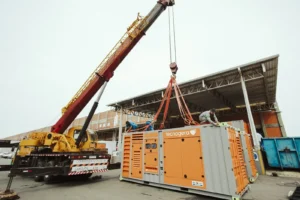
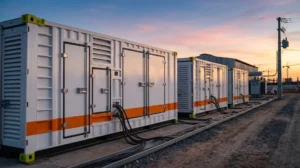
While these resolutions are not yet implemented, the industrial sector seeks alternatives to reduce the impact of the energy bill on business. One of them is the temporary hiring of energy using generators, which has been a good alternative to reduce the bill’s value during peak hours.