

5 Benefits of Renting Power Generators
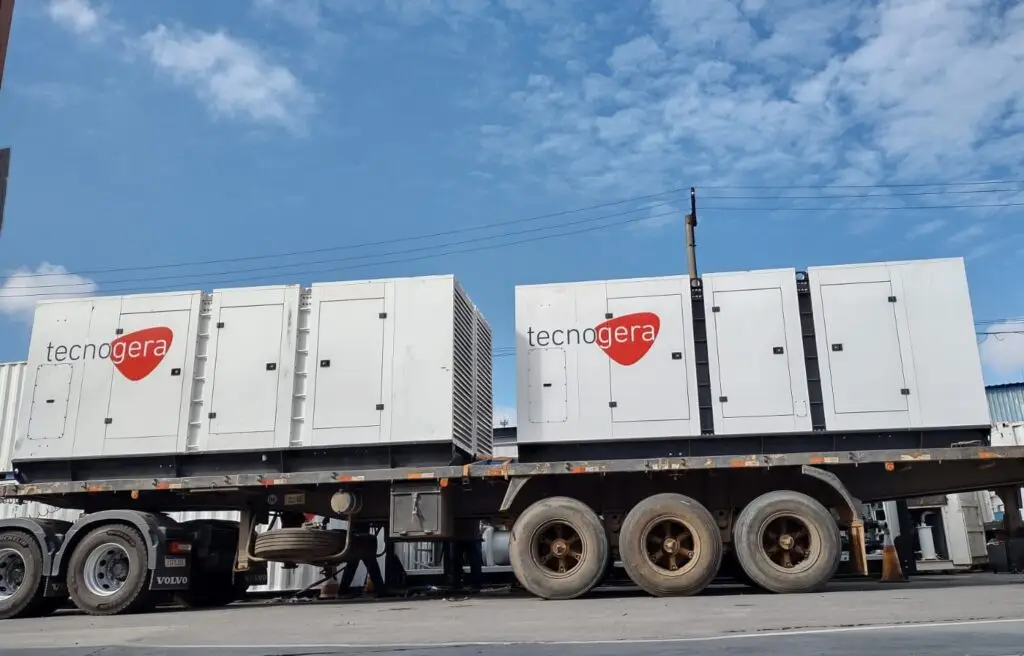
Renting generators offers five main benefits: reduced investment, uninterrupted power supply, maintenance support, reduced exposure to risks, and focus on the company’s core operations. Generators can save up to 30% during peak hours and allow businesses to continue their activities without energy interruptions.
Temperature Control: How to Cool Large Spaces Economically?

The Chiller system stands out as an efficient solution for cooling large spaces, offering significant savings compared to conventional systems. With technology based on water cooling, it reduces energy peaks and operational costs, making it ideal for commercial centers and industries. Tecnogera offers chiller rental with complete installation and maintenance, ensuring thermal comfort and energy efficiency in large environments.
The power ranges indicated for each segment
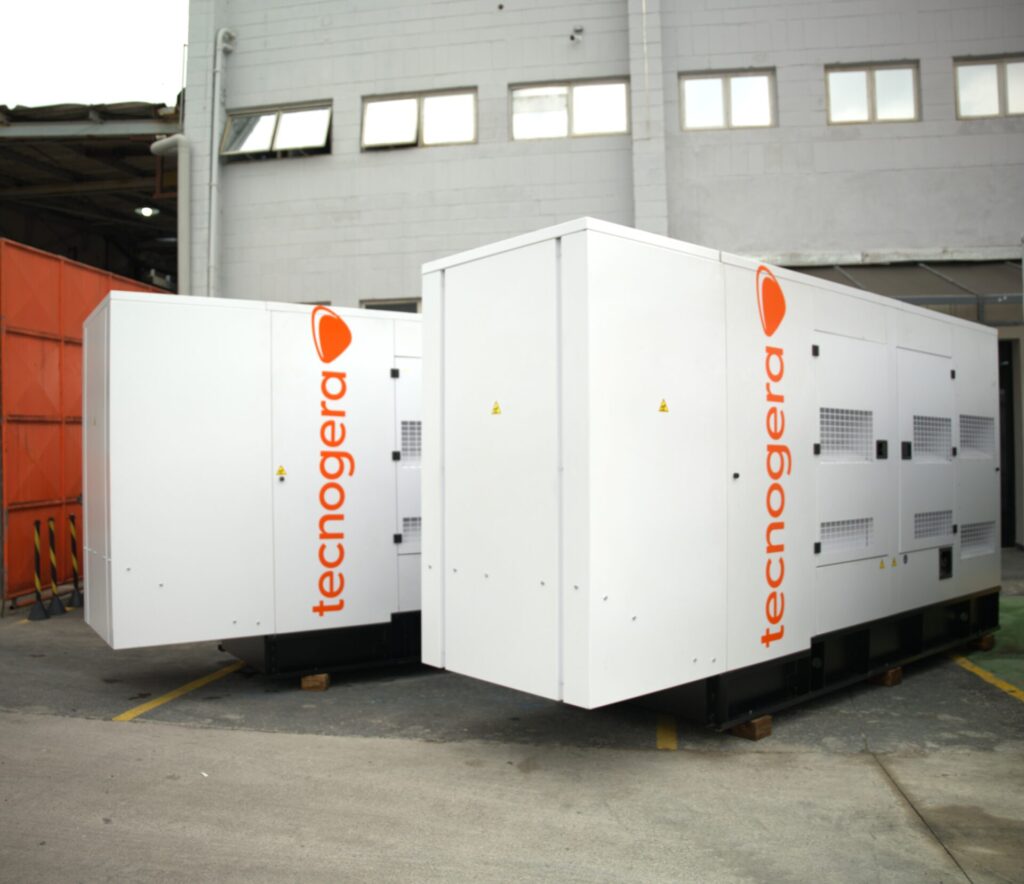
Establishments such as hospitals, supermarkets, laboratories, data centers, and events are entirely dependent on electricity. Generators ensure a constant supply even with distributor instability. Power ranges: 1500-2500 kVA (oil and gas, offshore, power plants); 1000-1500 kVA (power plants, automotive industries, steel industry); 750-1000 kVA (mining, refineries, data centers); 500-750 kVA (metallurgy, steel industry, cement/glass factories); 370-500 kVA (large events, food/beverage industries); 270-370 kVA (retail); 130-270 kVA (chemicals, electronics); 60-130 kVA (civil construction); 10-60 kVA (telecommunications).
150 kVA generator rental: rental advantages and uses
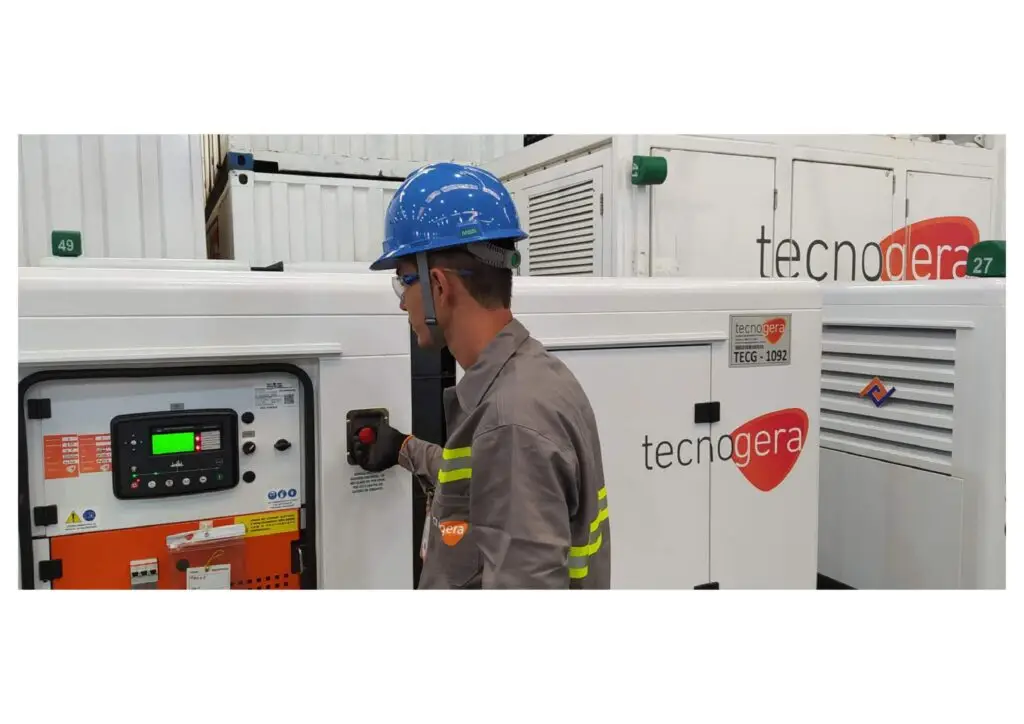
A 150 kVA generator is versatile and maintains supply during outages, reduces energy costs, and serves remote locations. It occupies space equivalent to a parking spot, making it ideal for businesses, residences, and industries. Applications include automotive/pharmaceutical industries, universities, research centers, supermarkets, condominiums, security devices, telecommunications, and data centers. Tecnogera has a fleet of 25-1500 kVA operating 24/7/365 days. The 150 kVA model has a 200-liter tank running up to 13 uninterrupted hours, is quiet, enclosed, and offers excellent performance.
The Importance of Logistics in Temporary Power Supply for Oil Platforms

Providing temporary power for oil platforms presents unique logistical and operational challenges. With consumption levels akin to large cities, these platforms require specially developed generators, like those from Tecnogera, which weigh up to 14 tons and boast 90% domestic content. The equipment includes specific technologies for offshore environments, such as special alternators and fire prevention systems, and undergoes rigorous commissioning tests to ensure safe and continuous operation.
Tidal Energy: How Tidal Power Works

Tidal energy is generated through the movement of seawater and ocean waves that drive turbines, converting mechanical energy into electricity. It requires a minimum sea level rise of 5.5 meters. Advantages: renewable and clean source, minimal environmental risks, the vast volume of water allows for significant energy generation, simple maintenance. Disadvantages: dependence on wind and maritime conditions, high initial investment, need for reinforced installations, and geographical limitation – only feasible in locations that meet 100% of geomorphological requirements.
Discover What a Substation Is and Explore Its Classifications
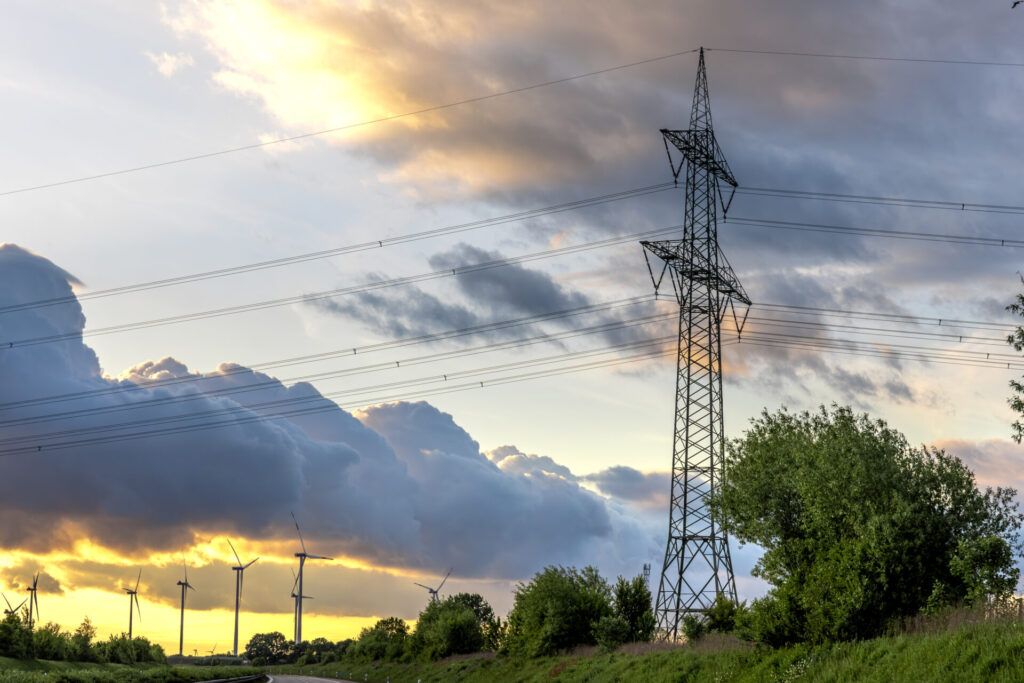
Substations are electrical installations responsible for the transmission and distribution of energy. Transformers increase voltage at power plants to prevent losses and decrease it in urban centers for distribution. They are classified by function (step-up, step-down, distribution, switching), voltage (extra-high +230kV, high 69-230kV, medium 1-34.5kV, low up to 1kV), installation (open-air or indoor), and operation (manual, semi-automatic, automated). Tecnogera’s mobile substations offer temporary solutions for maintenance and events with operational flexibility.
How is power generator sizing done?
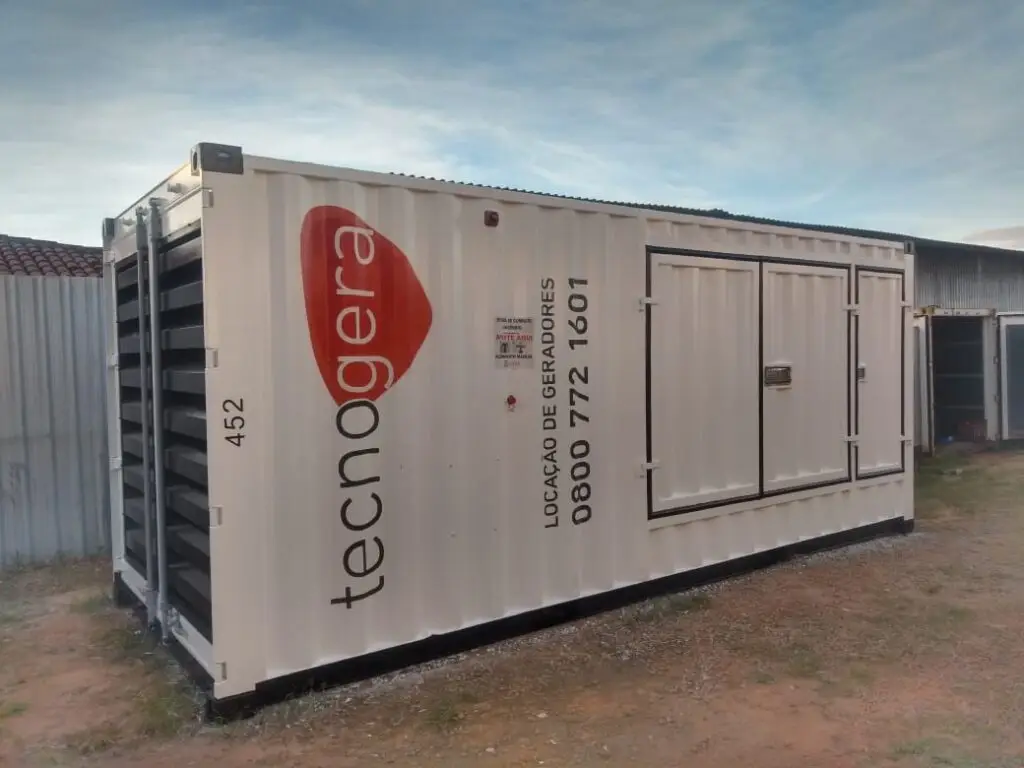
Power generator sizing analyzes electrical load, installation environment (open/closed), local temperature, pollution levels, supply characteristics (exclusive/backup), altitude, and displacement. Power calculation involves summing device power, multiplying by power factor, adding a 30% margin, and dividing by 1000 to obtain kVA. Ideal operating regime is 8 hours of work with 4 hours of rest. Adequate fuel supply must be considered. Tecnogera offers solutions with efficiency, delivering more energy with less fuel through the most modern fleet in the country.
Industrial UPS vs. Power Generator: Understand the Differences

Both industrial UPS and power generators ensure high-quality electrical supply but operate differently. A UPS uses an internal battery bank that charges automatically, providing almost instant power with limited autonomy, regulating voltage and purity to prevent damaging surges. A generator offers unlimited autonomy as long as it has fuel, is large-scale with high power, ideal for long periods but takes time to reach optimal operation. They can be combined: the UPS acts instantly during failures while the generator prepares, then the UPS shuts down and batteries recharge. This combination completely eliminates interruptions.
Discover the main causes of a blackout and how to prevent it
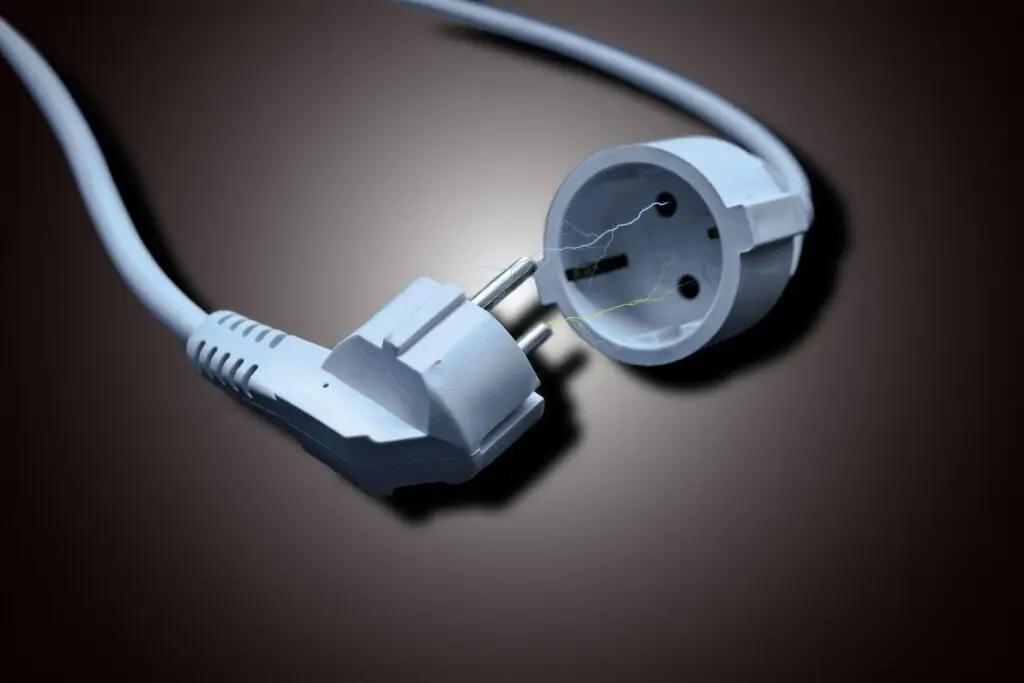
Blackouts cause severe social and economic losses, as seen in Amapá over several days. Main causes: accidents in extensive transmission networks, tree falls, weather events, consumption overload, and energy waste. Prevention includes alternative sources like solar and wind energy. A power generator is the best solution: sized according to need, operates for long durations or on demand, and allows cost optimization during peak hours with different utility rates.