

Climate Control in Agribusiness: Its Importance to the Sector
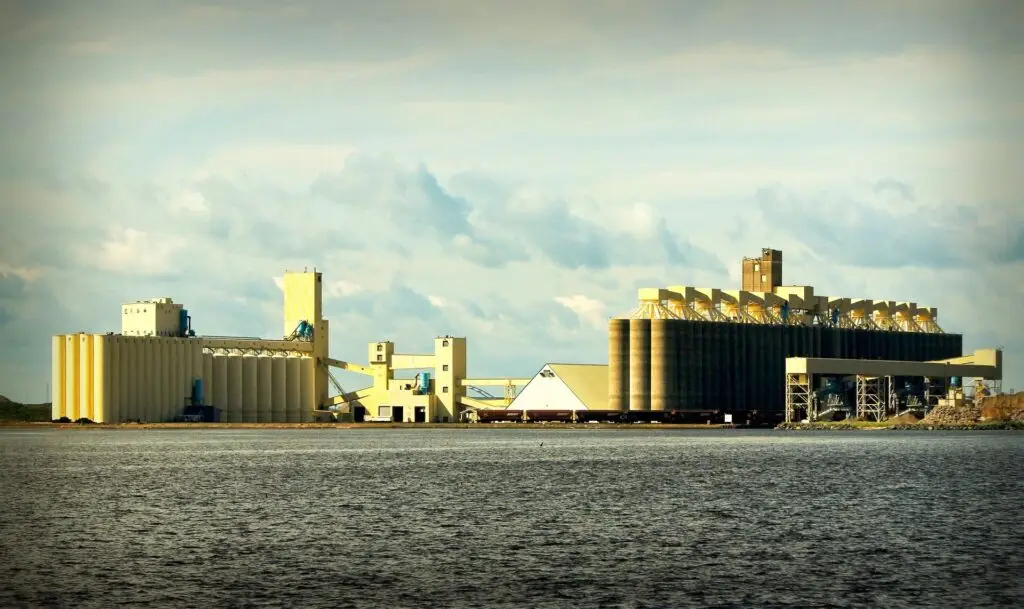
Agribusiness is a driving force of the Brazilian economy, requiring strict humidity and temperature control for storage in compliance with national and international standards. Each product (seeds, fruits, grains) demands specific conditions to preserve its original quality. Storage centers with specific climate control are expanding with technological monitoring. Chiller rental is an efficient solution with low energy demand. Versatile equipment is essential due to the diversity of products per harvest. Tecnogera has been providing comprehensive solutions since 2006.
Types of power generators: Models for different scenarios and needs
There are different types of generators for various needs: solar (solar panels, 5-7 year financing, 30-year lifespan), wind (sustainable, uses wind movement), chemical (batteries for portable devices), mechanical (hydroelectric plants with turbines), and fossil fuel (most common). Fuel generators vary: gasoline (portable, higher consumption), diesel (cost-effective, durable, lower consumption), and gas (sustainable, high efficiency). Generators 1000-1500 Ideal KVA for large establishments.
Why is generator rental an efficient and cost-effective choice?
The Brazilian energy system is vulnerable to interruptions due to its hydroelectric matrix and vast territory. Generator rental offers advantages: more predictable costs than tariff flags, use during peak hours, maintenance included, seasonal adjustment for businesses with variable demand, support for construction/expansions and one-off events. Ideal for companies seeking economical backup power without the high costs of acquisition and maintenance.
What is a load bank and what is it used for?
An essential piece of equipment for testing and validating power generation systems, the load bank ensures a continuous and safe electricity supply. Used in renewable energy plants (wind and solar) for generation and transmission testing, it simulates real load before commercial operation. It also regulates generator sets, optimizing fuel consumption and preventing failures. Renting is a more advantageous option than purchasing, with maintenance and technical support included.
How a Power Generator Works for Condominiums
Generators for condominiums operate in standby mode with an automatic transfer switch that monitors the power grid and activates the equipment when it detects utility failures. They keep hallway lights, elevators, intercoms, electric gates, and complete electronic security systems running. They offer special security for elderly residents who rely on elevators. Renting is more advantageous than buying: it eliminates high acquisition, installation, and maintenance costs, leaving only fuel supply.
Power plants also require alternative energy
Power plants need power generators for process start-ups, scheduled maintenance, and emergency shutdowns. Black Start testing simulates a total blackout to assess recovery time: at the Jirau plant, 24 of the 50 turbines were restored in 30 minutes. Applications include hydroelectric plants like Itaipu and Jirau, distribution substations, sugar-alcohol industries with self-generation, steam turbo generators. Tecnogera offers the EaaS (Energy as a Service) concept with an extensive fleet for scheduled and emergency situations.
Where to Use a 100 kVA Generator
A 100 kVA power generator is compact and efficient, making it ideal for multiple applications. Key uses include: condominiums with up to 20 apartments, construction sites, industries with extended shifts, hospitals, colleges, businesses with perishable goods, and events. Features: low fuel consumption, 100-liter tank, up to 13 hours of autonomy, easy transport, immediate response. It ensures the operation of emergency lights, security cameras, alarms, and electric gates during outages. Tecnogera offers an EaaS model with a modern fleet.
What is biogas?
Biogas is a renewable fuel produced by the anaerobic decomposition of organic matter through bacteria, without the presence of oxygen. Composition: 60% methane, 35% carbon dioxide, 5% other gases (hydrogen, ammonia, nitrogen). It can be extracted from landfills for up to 30 years or produced in specialized anaerobic reactors. Advantages for generators: lower environmental impact vs diesel, reduction of greenhouse gases, utilization of organic waste, supply via utilities (greater security than fuel storage), reduced operational costs, sustainable corporate image. Brazil has Bill 2193/20 for Federal Biogas/Biomethane Policy encouraging production and research.
How to plan power backup for maintenance shutdowns?
Maintenance shutdowns require strategic planning to keep critical operations running. The process should be mapped out months in advance, including: detailed schedule, multidisciplinary teams, work orders, risk analysis, and safety measures. During maintenance, utility supply must be interrupted for technician safety. Solution: power generators for backup. Two main scenarios: sector isolation (generator powers a specific area) or total shutdown (generator keeps essential areas running). Generator rental offers flexibility and access to suitable models without large investments. Tecnogera provides diverse options for different maintenance needs.
How to rent a power generator. Find out now how to request yours!
The generator rental process requires a thorough analysis of energy demand, installation site, and technical specifications. Key considerations: accurate load calculation (sum of equipment), appropriate noise level, fuel type (diesel, gasoline, natural gas), sizing to reduce peak hour costs. Tecnogera offers the EaaS model (Energy as a Service): solutions from 25kVA to 1500kVA, thermal plants up to 100MVA, Turnkey option (pay only for energy consumed), 24/7 monitoring, maintenance included, specialized technical support. Advantages of rental vs purchase: no responsibility for maintenance, conservation, accessories, and fuel.