

Electric shock: know what it is, causes, and how to avoid it
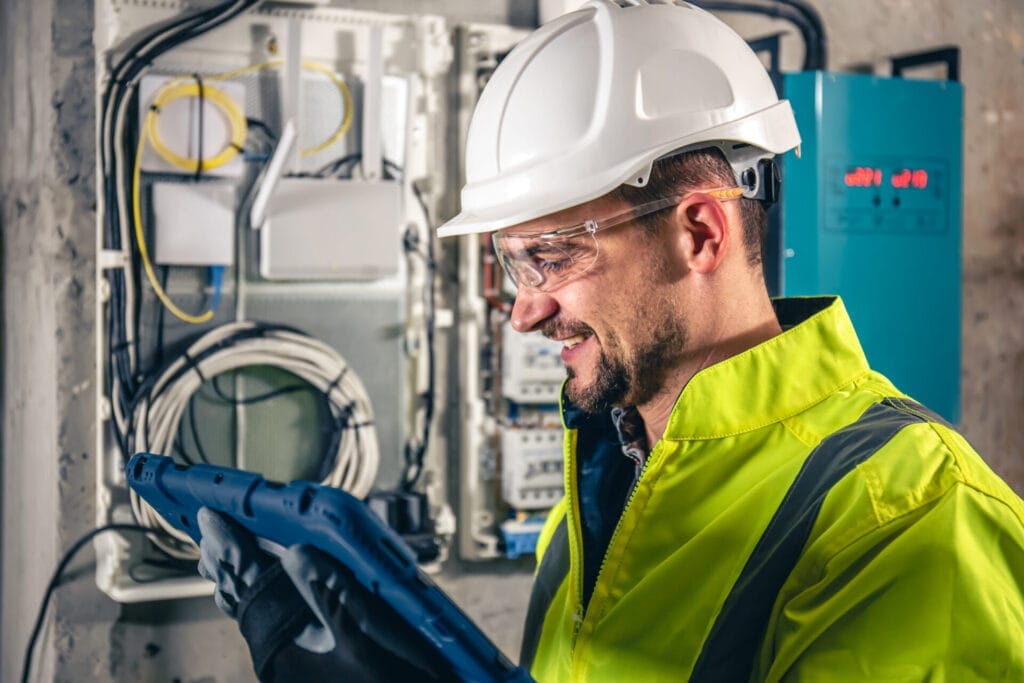
Electrical safety guide reveals that 86% of people have experienced shock, mainly from appliances and showers. Main precautions: do not overload outlets with adapters, install child protectors, check appliance voltage (110v/220v), avoid use in damp environments, keep wiring in good condition, do not use “gatos” (illegal connections), change bulbs with the circuit breaker off. In case of shock: provide medical assistance, do not touch the victim, turn off power or use dry insulating material to move them.
Energy Saving Tips for the Industry
Energy efficiency is a crucial concern for the industrial sector due to the water crisis. Key measures include turning off unused machines, using energy-efficient bulbs like LED, increasing natural light through windows and translucent roofing, regularly defrosting refrigerators, and keeping thermostats set for a constant temperature to avoid energy consumption spikes.
Emergency power generator: which establishments need one?
Being prepared is crucial against power outages, recommending the use of power generators that cover shortages for a set period, ensuring the operation and safety of public and commercial establishments and events. Establishments that need them include hospitals for essential equipment like ventilators, cold storage facilities for refrigeration, supermarkets for climate control, airports for communication and control, event halls for lighting and sound, concerts for equipment, cinemas for safety, stadiums for lighting, and mining operations for machinery and worker safety.
Which power generator parts can be replaced?

Generator sets are essential for power supply during blackouts and can be used in residential, commercial, industrial settings, as well as at sports and corporate events. Preventive maintenance includes replacing parts such as batteries, chargers, sensors, modules, and fuel tanks as wear and needs are identified.
How to Ensure the Ideal Temperature for Storing Perishable Products

Fruits, vegetables, meats, milk, and dairy products are perishable foods that spoil easily, requiring attention to expiration dates and proper storage. In restaurants, supermarkets, and food businesses, climate control and refrigeration systems are crucial for maintaining the ideal temperature. To ensure…
What are special electrical cables and what are they used for?
Choosing the right electrical cables is crucial to avoid disruptions and short circuits. Characteristics like electrical resistance and flexibility vary with nominal section: the larger the size, the greater the current resistance. Installations range from simple wires to special cables for areas requiring higher resistance, such as industries, automation lines, and port equipment. Made from copper, nickel-plated copper, or aluminum, they must comply with ABNT quality and safety standards.
The Importance of a Generator for Industrial Refrigeration Systems

Industrial refrigeration systems ensure a low-temperature environment suitable for cold storage, supermarket stocks, and pharmaceuticals. For uninterrupted operation, the energy supply must be constant. It’s essential to have a power generator to prevent losses due to electrical supply failures, keeping refrigerators, air curtains, and air conditioning units fully operational.
How to save electricity?
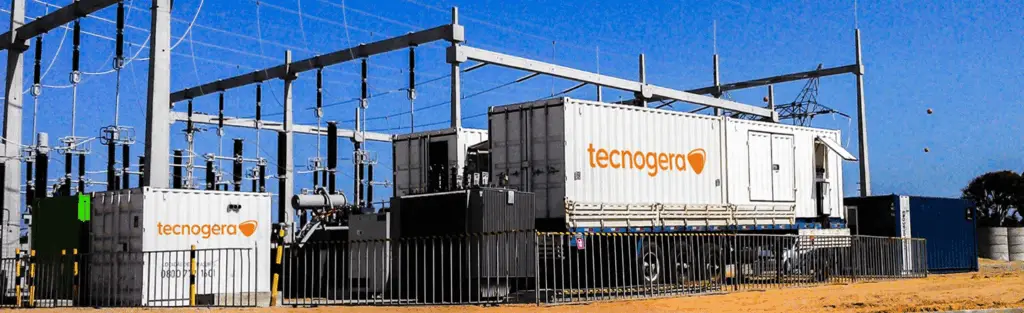
Simple actions can reduce energy waste, benefiting both financially and environmentally by extending the lifespan of non-renewable resources. Purchase appliances with the Procel “A” label for better efficiency. Avoid leaving lights on unnecessarily and make use of natural light. Fluorescent bulbs are more efficient. Keep light fixtures and air conditioner filters clean. Monitors consume 70% of a computer’s energy. Avoid standby mode, which uses 12% monthly. Unplug chargers. Accumulate clothes for ironing and washing. Turn off…
What is a chiller cooling system?
The chiller system cools water, making it ideal for cooling air, products, or equipment. When used with air conditioning, it enables climate control by managing temperature, relative humidity, air movement, filtration, and renewal. It works by removing heat from water through a refrigeration system that recompresses and cools the refrigerant. Measured in refrigeration tons, it operates with a wide temperature range, including negative temperatures.
Climate control system: how it works, types, and rental
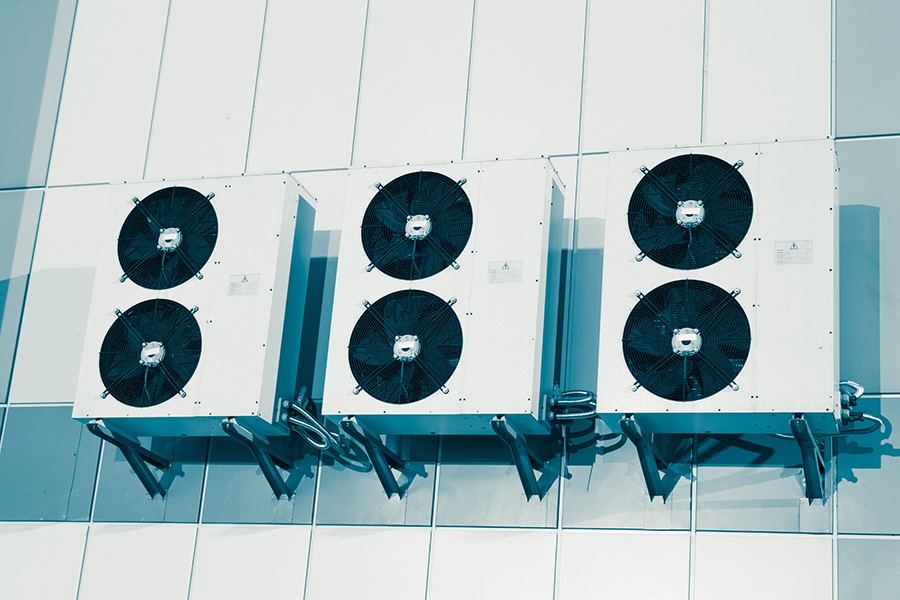
The refrigeration and climate control system manages temperature, humidity, diffusion, and air renewal, ensuring thermal comfort and air health. Climate control maintains a comfortable environment by providing humidity and oxygenation. In hospitals, it reduces the risk of disease transmission by following specific standards. In wine cellars, it prevents temperature variation for wine preservation. According to ABRAVA, we breathe 10,000 liters of air daily, spending 85% of our time indoors. Considered factors include solar orientation, number of people, type of use, lighting, and ventilation.