

Power Substation: What It Is, How It Works, Types, and Importance
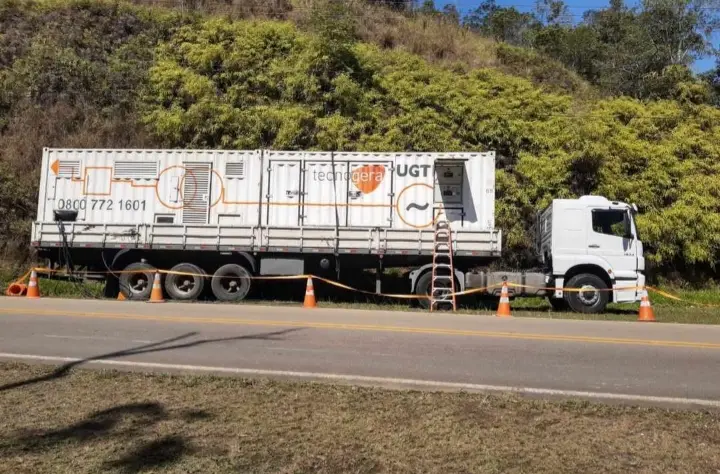
The mobile electrical power substation provides temporary solutions for emergency supply during scheduled maintenance, project energization, and seasonal load management. Key advantages include precise supply, reduced energy bills, and distribution autonomy. During maintenance, it replaces main stations while keeping DEC and FEC indicators within ANEEL limits through ramp transition, ensuring consumers don’t notice the change.
How is electrical substation maintenance performed?
Substations distribute energy from power plants by transforming high voltage to a standard usable by consumers. Maintenance requires great responsibility as equipment does not always clearly indicate problems. Procedures include preventive maintenance up to 230KV, electrical testing, connection verification, thermovacuum testing, and nitrogen drying. General cleaning removes dust from electrical connections. Temperature monitoring with a laser thermometer identifies failures and prevents unscheduled shutdowns.
How does an electrical power transformer work and why is it important?
The electrical power transformer ensures energy use in homes and industries by working with current induction principles to modify electrical voltage. There are two models: the power transformer, which receives energy from the plant and passes it on for transmission, and the distribution transformer, which is the final stage before reaching the consumer. Energy from the plants arrives with a voltage higher than 10,000V and is reduced to domestic 110 or 220V through coils that create a magnetic field.