

Power Generator: How It Works and a Guide to Choosing the Right One

An alternating current generator converts mechanical energy into electrical energy based on the induction of electromotive force. The simplest model consists of a coil that rotates through a turbine, generating electric current connected to rings that transmit the energy. It differs from a direct current generator by achieving higher voltage and range, although it requires transformation to lower voltages (110V or 220V) for residential use.
Best power generator: how to choose the ideal one in 2026
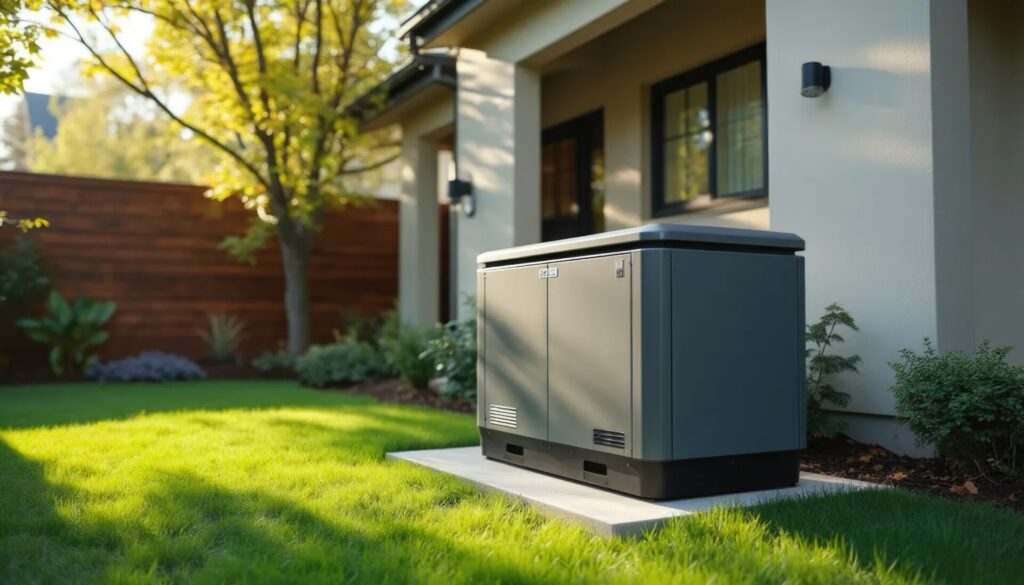
Electricity is essential for basic needs such as heating, cooling, security, and lighting. To avoid problems with interruptions, residential generators have become increasingly common. When choosing, it is crucial to consider the size (preferring compact models) and power (ranging from 1850 to 12,000 watts). Other important factors include tank capacity, noise level, starting type, weather resistance, and voltage regulation system. Installation should be done in a ventilated area with sound insulation.