

Climate control system: how it works, types, and rental
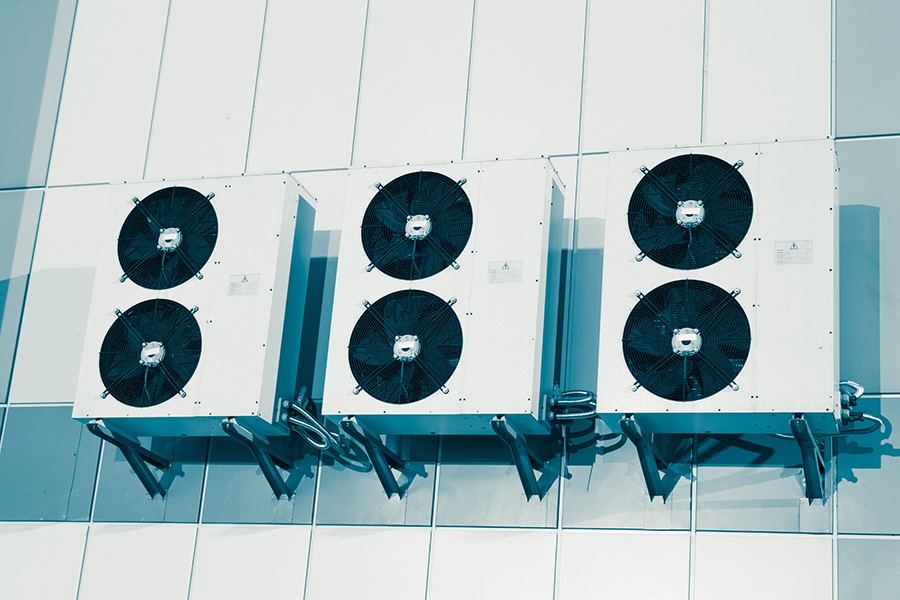
The refrigeration and climate control system manages temperature, humidity, diffusion, and air renewal, ensuring thermal comfort and air health. Climate control maintains a comfortable environment by providing humidity and oxygenation. In hospitals, it reduces the risk of disease transmission by following specific standards. In wine cellars, it prevents temperature variation for wine preservation. According to ABRAVA, we breathe 10,000 liters of air daily, spending 85% of our time indoors. Considered factors include solar orientation, number of people, type of use, lighting, and ventilation.
Power quality: what it is and how an analyzer works
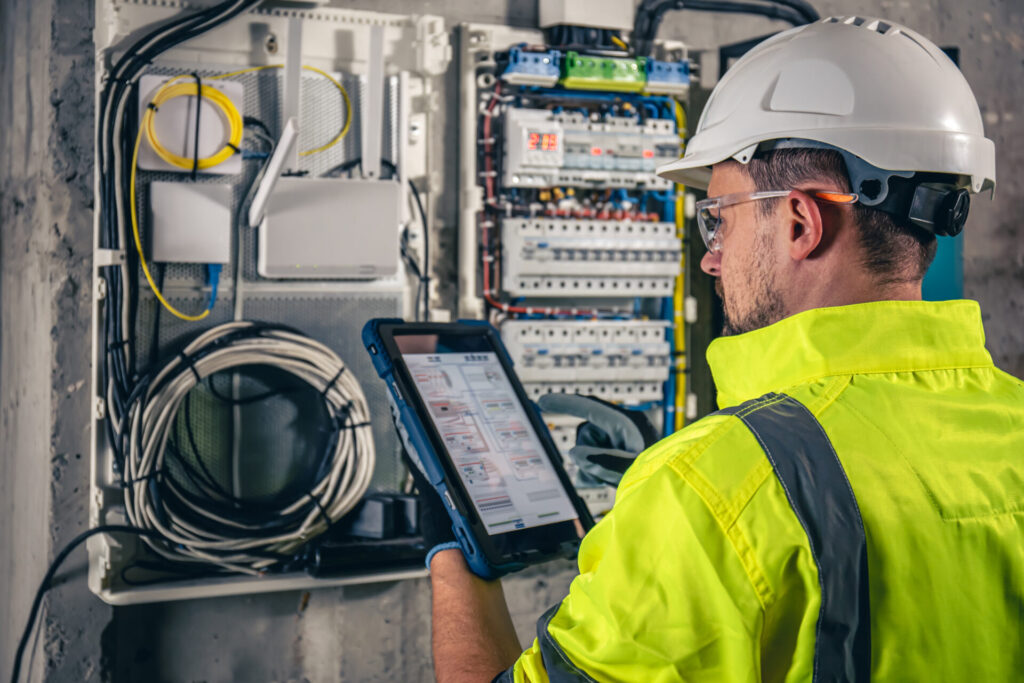
A power analyzer is an essential piece of equipment for measuring the quality of electrical energy, used by specialized technicians in homes, businesses, industries, and hospitals. It analyzes parameters such as supply quality, intensity, and failures. It captures voltage events, generates accurate reports, and stores data for long periods. It monitors network needs and measures harmonic distortion. Its robust design facilitates movement between sectors.
The Importance of Emergency Power Generators
Electric power is essential in various situations, being a crucial factor for safety and stability, hence the need for emergency power generators. In the industrial sector, the demand for energy is high, and utility failures can halt production. Scheduled outages for grid maintenance are necessary practices. In hospitals, emergency power is literally the lifeline for maintaining the lives of thousands of people where there is no room for power supply failures.
Learn about the types of generators recommended for each segment
Establishments such as hospitals, supermarkets, and event venues rely heavily on electricity to operate without disruptions. Generators ensure a constant supply even with power company instability. There are generators of various capacities for different segments: 1500-2500 KVA for offshore oil and gas, 1000-1500 KVA for power plants and automotive industries, 750-1000 KVA for mining and data centers, up to 10-60 KVA for telecommunications.
Power Generator – How Does It Work?
A power generator consists of a generator, drive motor, and fuel tank, providing reliable energy solutions as a primary or backup source. It’s especially recommended for places that can’t afford power outages, like hospitals, supermarkets, laboratories, hotels, and convention centers. Despite their large size, they operate with minimal noise, ensuring comfort in environments requiring peace and quiet.
Power Generator – Why Rent?
Power generators provide electricity for a specific period, ensuring smooth operations or meeting demand when other production means are unavailable. The main advantage of rental is the assurance of uninterrupted power in any location. They are especially recommended for hospitals, bakeries, supermarkets, malls, and establishments that cannot afford power outages. Large-scale events like weddings, concerts, and trade shows also require this solution to avoid interruptions.