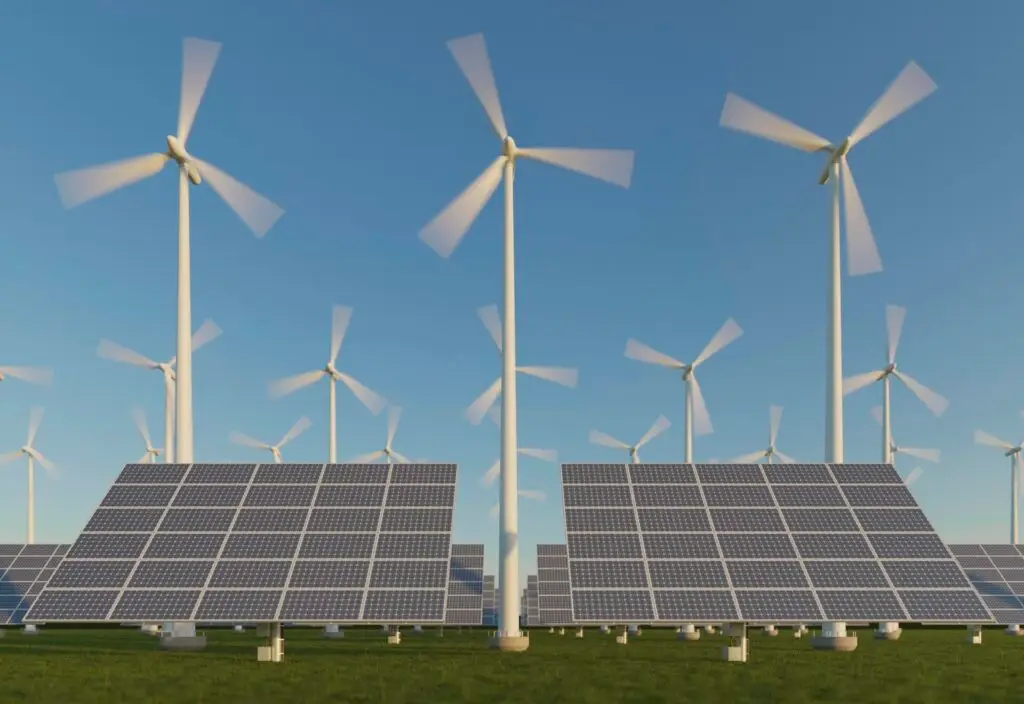
Hybrid energy systems are smart solutions that combine two or more power generation sources into a single integrated and automated system.
The goal of this type of system is to optimize energy production, ensuring a more stable, cost-effective, and sustainable supply by leveraging the best of each source.
They are at the forefront of the energy transition, combining the reliability of firm sources, like generators, with the sustainability in energy of renewable sources.
Index:
How do hybrid energy systems work?
What are the advantages and disadvantages of hybrid energy systems?
How much does a hybrid energy system cost?
Differences between on-grid and off-grid systems
Where can I use a hybrid energy system?
Main types of hybrid energy systems
What is the legislation on hybrid energy systems?
Hybrid solutions for energy efficiency are at Tecnogera!
How do hybrid energy systems work?
The operation of a hybrid system is based on the intelligent management of available energy sources. Generally, a central controller monitors energy demand and the generation of each source.
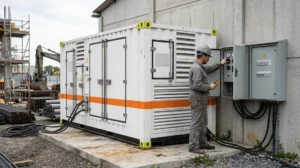
The use of renewable sources, such as solar, is prioritized. When solar generation decreases or demand increases, the system activates the secondary source, like a generator.
In larger projects, legislation allows these different sources to operate with a single measurement and a single permit, simplifying management and grid connection.
Tecnogera’s solutions feature controllers that automate this transition, ensuring maximum efficiency and fuel savings without manual intervention.
What are the advantages and disadvantages of hybrid energy systems?
Understanding the pros and cons of hybrid systems is essential for any project. This analysis allows for the evaluation of the technical and financial viability of the solution.
Understanding their benefits helps justify the investment, while knowing their disadvantages allows for planning and mitigating implementation challenges.
Advantages of hybrid energy systems
Cost and emission reduction: By prioritizing renewable sources, fossil fuel consumption is drastically reduced, lowering operational costs and carbon footprint.
Safety and reliability: The combination of sources ensures uninterrupted supply. If the renewable source fails, the generator takes over, eliminating the risk of blackouts.
Optimization and efficiency: The system automatically selects the most efficient source for each moment, maximizing resource utilization and equipment lifespan.
Sustainability in practice: Allows companies and projects in remote areas to actively participate in the energy transition, using Tecnogera’s biodiesel generators, for example.
Disadvantages of hybrid energy systems
Initial investment cost: Acquiring solar panels, batteries, and controllers may require a higher initial investment compared to conventional systems.
Installation complexity: Integrating multiple sources requires a specialized technical project to ensure perfect synchronization and safety of all components.
Need for physical space: Sources like solar energy require a considerable area for panel installation, which can be a challenge depending on the project’s location.
Dependence on weather conditions: The generation of renewable sources, such as solar and wind, is intermittent, reinforcing the need for a reliable backup source.
How much does a hybrid energy system cost?
The cost of a hybrid energy system, especially with a solar focus, is not fixed. It varies significantly according to the specifics of each project.
Factors such as installation size, location, demanded power, inclusion of battery storage systems (BESS), and automation complexity directly influence the final value.
Generator rental and other equipment, like those offered by Tecnogera, is a smart alternative to mitigate the high initial acquisition cost and access the technology.
Differences between on-grid and off-grid systems
An on-grid system is connected to the public power grid. It allows excess energy generated to be fed into the grid, generating credits for the consumer.
An off-grid system, on the other hand, is completely independent of the public grid. It is ideal for remote locations where conventional electricity is not accessible.
Hybrid systems stand out for their flexibility, being able to be designed to operate in both on-grid and off-grid modes, always with a backup source.
Where can I use a hybrid energy system?
The versatility of hybrid systems allows their application in a wide range of sectors and projects that demand reliable and sustainable energy.
The most common locations for their installation are:
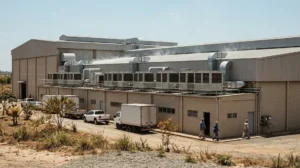
- Industries and factories looking to reduce energy costs.
- Agribusiness, to power irrigation pivots and farm headquarters.
- Construction sites and infrastructure projects in remote areas.
- Mining sector, for continuous and more sustainable operations.
- Events, ensuring clean and silent energy with the use of batteries.
- Commercial and residential complexes, as a primary or emergency source.
Main types of hybrid energy systems
There are different configurations of hybrid systems, adapted for each need. The most common types include AC coupling and DC coupling.
In AC coupling, the sources operate more independently, being ideal for modernizing existing installations (retrofit).
DC coupling integrates the sources before the inverter, optimizing efficiency in battery charging, making it perfect for new off-grid projects.
All-in-one models are also gaining ground, combining inverter, controller, and sometimes batteries in a single cabinet, simplifying installation.
What is the legislation on hybrid energy systems?
In Brazil, the regulation of hybrid systems is conducted by the National Electric Energy Agency – ANEEL, which seeks to modernize the rules to encourage their use.
The main regulation is the Normative Resolution No. 954/2021, which established the concept of Hybrid Generating Plant (UGH).
This regulation allows different generation sources (such as solar and wind) to be associated in a single project, with a single permit.
Hybrid solutions for energy efficiency are at Tecnogera!
Overcoming the cost and complexity challenges of the energy transition is simpler with the right partner. Renting hybrid solutions is your best strategy.
Tecnogera offers the best solutions for energy cost savings for businesses, including biodiesel generators, biogas, and battery storage systems (BESS).
Our team of experts develops customized projects that intelligently integrate sources, ensuring maximum efficiency and savings for your operation.
Rely on our expertise to implement a robust and sustainable hybrid system, whether in agribusiness, industry, or large events.