When millions of people tune into an event like the World Cup simultaneously, any failure becomes magnified. In such scenarios, operations must run seamlessly from start to finish — and energy is one of the pillars supporting this entire structure.
Lighting, broadcasting, panels, VIP areas, media centers, fan zones, sponsor activations, and technical operations rely on uninterrupted energy supply.
Behind the public experience and the grandeur of an international sporting event lies a robust energy plan designed to prevent failures and ensure maximum operational reliability.
More than just infrastructure, energy becomes a strategic part of the operation.
Major Events Can’t Stop
Large-scale sporting events operate in real-time with no room for error.
An energy interruption, even for a few seconds, can disrupt live broadcasts, impact sponsors, affect the audience experience, and cause significant financial losses.
Moreover, the operational complexity is enormous. In a World Cup, different structures operate simultaneously, many of them temporary and with high energy demands.
Therefore, ensuring energy stability is crucial for all areas to operate in an integrated and secure manner.
Why Energy is Strategic in Sporting Events
In major events, energy does more than just “keep everything running.” It ensures operational continuity, safety, and experience.
Key applications include:
- live broadcasting
- arena and outdoor lighting
- media operations
- security systems
- sponsor activations
- temporary structures
- hospitality areas
- operational centers
When it comes to global events, energy shifts from being just technical support to a critical factor for operational success.
The Challenge of Temporary Energy in Large Operations
One of the biggest challenges in sporting events is that much of the infrastructure is temporary.
Fan zones, support areas, brand activations, and external structures often require specific energy solutions to function during the event period.
This demands detailed planning, correct sizing, and flexible solutions to meet variable demands throughout the operation.
Additionally, events of this scale require quick response capabilities and constant monitoring to mitigate risks.
How Generators Help Ensure Operational Continuity
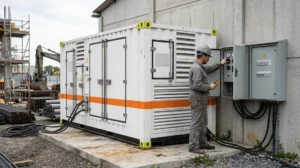
Generators play a crucial role in the energy structure of major events.
They can serve as both the primary energy source for temporary structures and as a backup solution for critical operations.
In practice, they help ensure:
Operational Continuity
Even in the event of a power grid failure, operations continue to function.
Energy Security
Redundant solutions reduce risks and increase reliability.
Flexibility for Temporary Structures
Generators allow power supply to areas without permanent electrical infrastructure.
Stability for Critical Operations
Broadcasts, lighting, and technical systems depend on continuous supply.
The Audience Experience Also Depends on Energy
When we think of major events, we usually associate the audience experience with the spectacle, technology, and structure.
But all of this directly depends on energy.
An electrical failure can impact lighting, sound, broadcasting, and even essential services within the event.
That’s why organizers and brands increasingly invest in energy solutions capable of ensuring operational stability and safety.
What Companies Can Learn from the World Cup
While few operations match the scale of a World Cup, many companies face similar challenges when they rely on continuous energy.
Industries, hospitals, data centers, construction sites, and events also need to avoid interruptions and protect critical operations.
The main takeaway is that energy should not be treated merely as basic infrastructure but as a strategic part of the operation.
Companies that invest in energy contingency can reduce risks, avoid losses, and operate with greater stability.
How Tecnogera Supports High-Demand Energy Operations
Tecnogera provides energy solutions for operations that require continuity, safety, and high reliability.
The company develops customized projects for different types of operations, including events, construction, industries, and critical environments.
Temporary Energy Solutions
Flexible structures to support operations of various sizes.
Generators and Energy Contingency
Solutions designed to prevent interruptions and ensure operational continuity.
Specialized Technical Support
Monitoring and support to reduce risks throughout the operation.
Infrastructure for High-Demand Needs
Capability to support complex operations and projects with high energy demands.
Energy Keeps Major Operations Running
Behind every major event is an energy infrastructure prepared to prevent failures and ensure stability.
The World Cup demonstrates how essential energy is for complex operations and how operational continuity relies on planning, contingency, and reliable solutions.
More than just keeping equipment running, ensuring energy means protecting operations, experiences, and outcomes.
FAQ – Frequently Asked Questions About Energy in Major Events
Why Do Major Events Use Generators?
To ensure operational continuity and reduce the risk of electrical failures.
Are Generators Used Only as Backup?
No. In many temporary structures, they also serve as the primary energy source.
What is Energy Contingency?
It’s the set of solutions used to prevent interruptions and ensure operational continuity.
Does Tecnogera Support Temporary Operations?
Yes. The company provides energy solutions for events, construction, and various temporary operations.