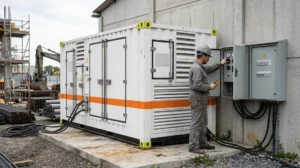
An emergency power generator can mitigate immediate impacts for companies across various sectors. In industrial operations, hospitals, data centers, construction sites, and events, a power outage can compromise productivity, cause financial losses, and directly affect operational safety.
Therefore, having an emergency power generator is no longer just a preventive measure but an essential strategy to ensure operational continuity.
In this article, you’ll learn how to choose the most suitable solution to protect your operation.
What is an Emergency Power Generator?
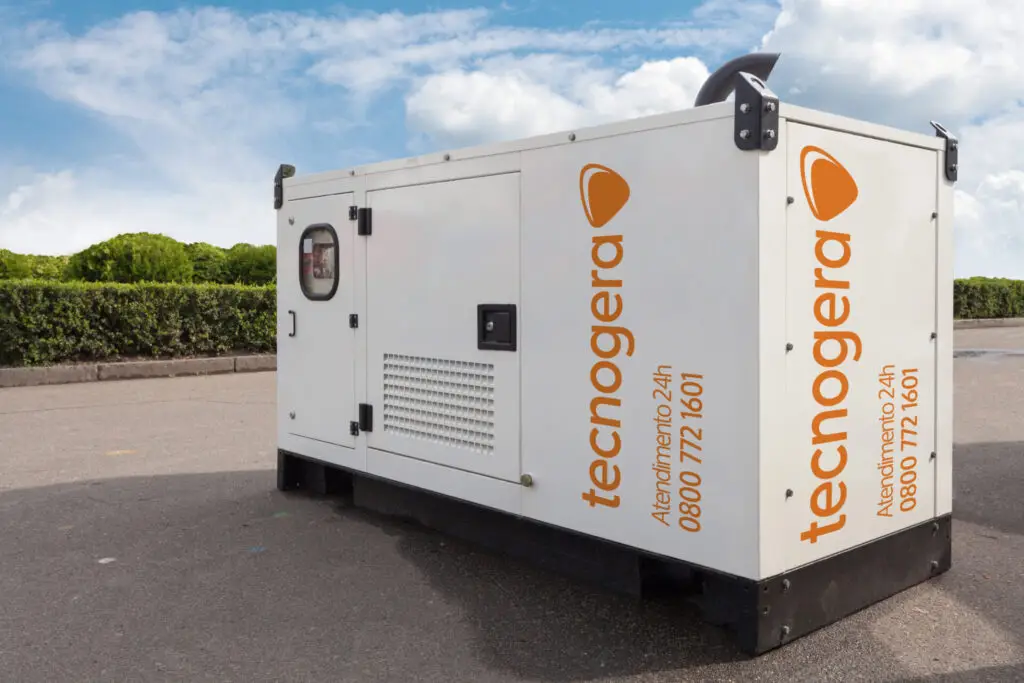
An emergency power generator is equipment responsible for supplying electricity when there is a total or partial interruption in the main power supply. Its function is to ensure that systems, equipment, and processes continue operating even during unexpected failures in the power grid.
Some operations depend on continuous power:
– Industries
– Hospitals
– Data centers
– Logistics centers
– Hypermarkets and large wholesalers
These and other continuous operations can experience significant impacts from outages, even in a matter of minutes. In such cases, the emergency power generator acts as an additional layer of security, reducing operational risks and protecting the company’s productivity.
More than just a solution for extreme situations, the emergency power generator is part of the operational continuity strategy for organizations that need to ensure availability, safety, and energy reliability.
When is an Emergency Power Generator Necessary?
While any company is subject to fluctuations or interruptions in power supply, some operations are particularly vulnerable to the impacts caused by power outages.
Companies that rely on automated equipment, digital systems, or continuous production processes can suffer significant financial losses even during short interruptions. In many cases, the problem is not just the time the operation remains halted, but also the time required to restore processes, recalibrate equipment, and recover productivity.
Therefore, an emergency power generator is recommended for operations that cannot risk interrupting their activities, whether for safety, productivity, or customer service reasons.
Industries
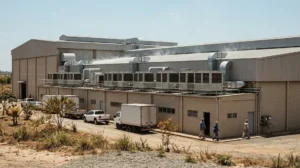
In the industrial sector, a power outage can halt entire production lines, compromise raw materials in processing, and cause delays in the supply chain. Depending on the segment, the time needed to restart the operation may exceed the duration of the power outage itself, further increasing losses.
Hospitals
Hospitals and healthcare facilities depend on power to keep medical equipment, monitoring systems, lighting, and critical infrastructure continuously functioning. Therefore, the use of emergency power generators is an essential requirement to ensure the safety of patients and professionals.
Data Centers
In data centers, even seconds without power can cause system unavailability, disruption of digital services, and significant impacts for companies relying on online applications. Energy continuity is a cornerstone of these environments’ operations.
Construction
Construction sites rely on power to operate equipment, tools, and support systems. A power outage can halt activities, compromise schedules, and increase operational costs.
Events
In corporate, sports, or cultural events, power is responsible for the operation of lighting, sound, broadcasting, and operational infrastructure systems. An electrical failure can compromise the audience’s experience and cause losses for organizers and sponsors.
What are the Main Benefits of an Emergency Power Generator?
Investing in a backup power solution goes far beyond preventing the lights from going out. An emergency power generator can add:
– Protection for the entire operation
– Assurance of predictability in case of outages and failures
– Reduced exposure to risks
These are essential points to ensure the maintenance of the operation and the company’s results, especially for hospital operations that involve much more than equipment maintenance.
Some critical points should be monitored. Learn more below.
Operational Continuity
The main benefit is ensuring that essential activities continue functioning even during power grid failures. This prevents stoppages and reduces the impact of unforeseen events on productivity.
Reduction of Financial Losses
Unexpected stoppages typically generate costs related to production loss, delays, waste, and rework. With an energy contingency solution, these impacts can be significantly reduced.
Increased Safety for Critical Operations
In environments where power is indispensable for the safety of people or processes, the emergency power generator helps ensure operational stability and reliability.
Protection of Equipment and Systems
Fluctuations and interruptions can damage sensitive equipment. Using an appropriate solution helps protect important operational assets.
More Confidence to Grow
Companies that invest in energy security can expand their operations with more peace of mind, knowing they are prepared to handle potential power supply failures.
Frequently Asked Questions About Emergency Power Generators
What is an Emergency Power Generator?
An emergency power generator is equipment that provides electricity when there is an interruption in the utility supply. Its function is to ensure that systems, equipment, and processes continue operating even during power grid failures.
How Long Can an Emergency Power Generator Operate?
The operating time depends on the equipment’s capacity, the load used, and the fuel storage capacity. In critical operations, it is common for the system to be sized to meet demand for the necessary period until power is restored or refueling occurs.
What is the Difference Between an Emergency Power Generator and a Temporary Power Generator?
An emergency power generator is used to ensure operational continuity during power grid failures. Temporary power generators can be used as the main power source in construction sites, events, industries, or operations without access to the conventional power grid.
How to Choose the Ideal Capacity for an Emergency Power Generator?
The capacity should be defined based on the operation’s energy consumption and the equipment that needs to remain operational during an interruption. Inadequate sizing can compromise the solution’s performance, so it is advisable to seek specialized support.
Is it Better to Buy or Rent an Emergency Power Generator?
It depends on the operation’s needs. Companies with temporary, seasonal, or specific project demands often opt for rental due to flexibility and lower initial investment. Operations that use the equipment continuously may consider purchasing.
Which Companies Need Emergency Power Generators?
Industries, hospitals, data centers, logistics centers, construction sites, events, and companies that rely on operational continuity are the main examples. Any operation that could suffer significant losses in the event of a power outage can benefit from the solution.
Does an Emergency Power Generator Start Automatically?
Yes, when integrated with an automatic transfer switch (ATS). In this case, the equipment detects the power interruption and starts operation without manual intervention.
Does an Emergency Power Generator Help Reduce Losses?
Yes. By keeping critical processes running, the generator reduces production losses, operational delays, system unavailability, and other impacts associated with power outages.
Does Tecnogera Offer Emergency Power Generator Rentals?
Yes. Tecnogera offers emergency power generator rental solutions for different segments, with customized sizing, specialized technical support, and nationwide service to ensure greater energy security and operational continuity.
How to Request an Emergency Power Generator Solution for My Company?
The first step is to assess your company’s energy demand and operational risks. With this information, it is possible to size an appropriate solution to ensure operational continuity, safety, and energy reliability.