

How does the articulating boom lift work?

The articulating boom lift is versatile for working at heights with both vertical and horizontal reach, unlike scissor lifts which only offer vertical elevation. It’s used in construction, building cleaning, and various maintenance tasks. For safety, it’s essential to check anti-crush sensors, use mandatory PPE, and have specific training as per NR-35. The 100% electric models offer adaptability, fuel savings, and contribute to the energy transition.
How to ensure your building’s facade is clean for the new year?

Cleaning your building’s facade for the new year helps preserve structures, adds value to the property, and controls renovation costs. Safety is crucial during high-altitude work, including the use of PPE and appropriate lifting equipment. Scissor lifts are ideal for cleaning linear facades, offering speed, comfort, and safety. Electric models provide cost savings without fuel and maintain the same operational performance.
How to Revolutionize Your Operations with Aerial Platforms
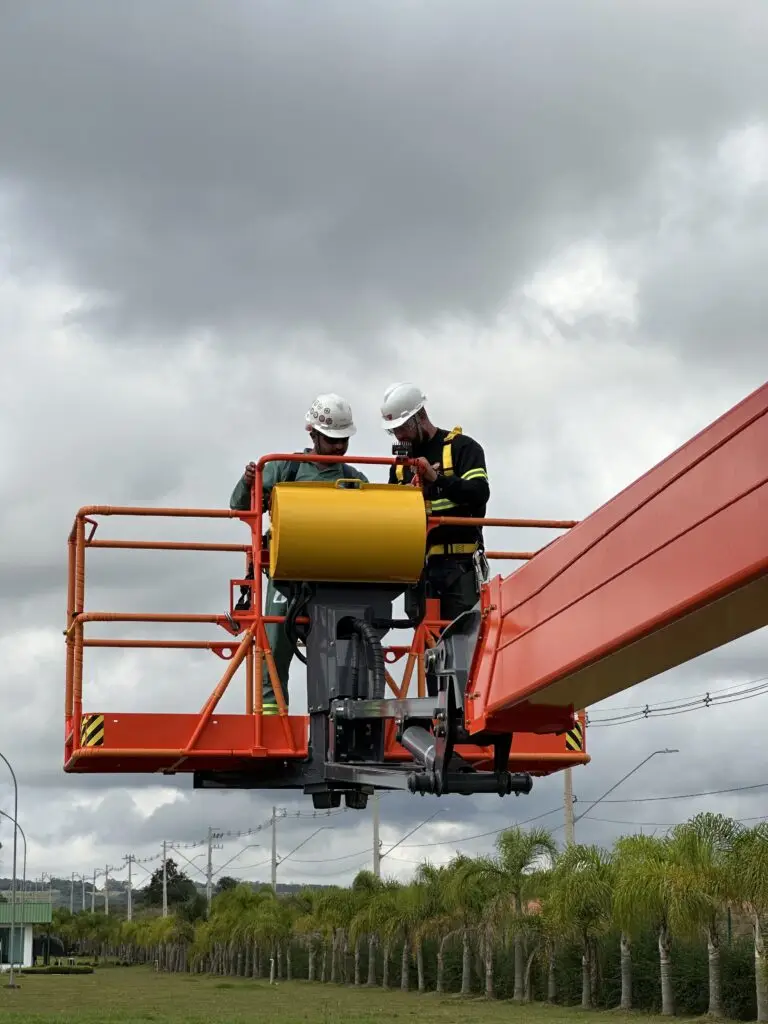
Aerial platforms transform operations by offering ready-to-use equipment, safety features, simple maneuverability, and quiet operation. There are two main models: scissor lifts for lower heights and level ground, and articulated lifts for complex tasks on uneven terrain. Renting is more cost-effective than buying, especially for occasional jobs, eliminating maintenance concerns and offering quick charging with lithium batteries.
Articulating Boom Lifts: Solutions for Complex Tasks and Hard-to-Reach Areas

Articulating boom lifts are specialized equipment designed for complex tasks at height, capable of maneuvering around obstacles both horizontally and vertically. They are ideal for construction, industrial services, maintenance, and work in hard-to-reach areas. Modern models feature anti-crush sensors for enhanced safety, lithium batteries for quick charging, and low noise emissions, making them suitable for both indoor and outdoor environments.
What is needed to rent a lift platform?
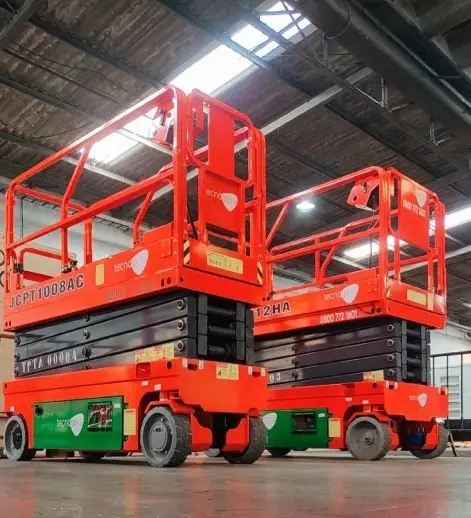
To rent lift platforms, you need to provide: desired height, type of terrain, indoor/outdoor environment, usage period, and location. Safety is paramount, with new equipment featuring anti-crush sensors. There are scissor models (vertical lift) and articulated models (complex tasks), both 100% electric with lithium batteries and smart charging.
Scissor Lift: Operational Agility
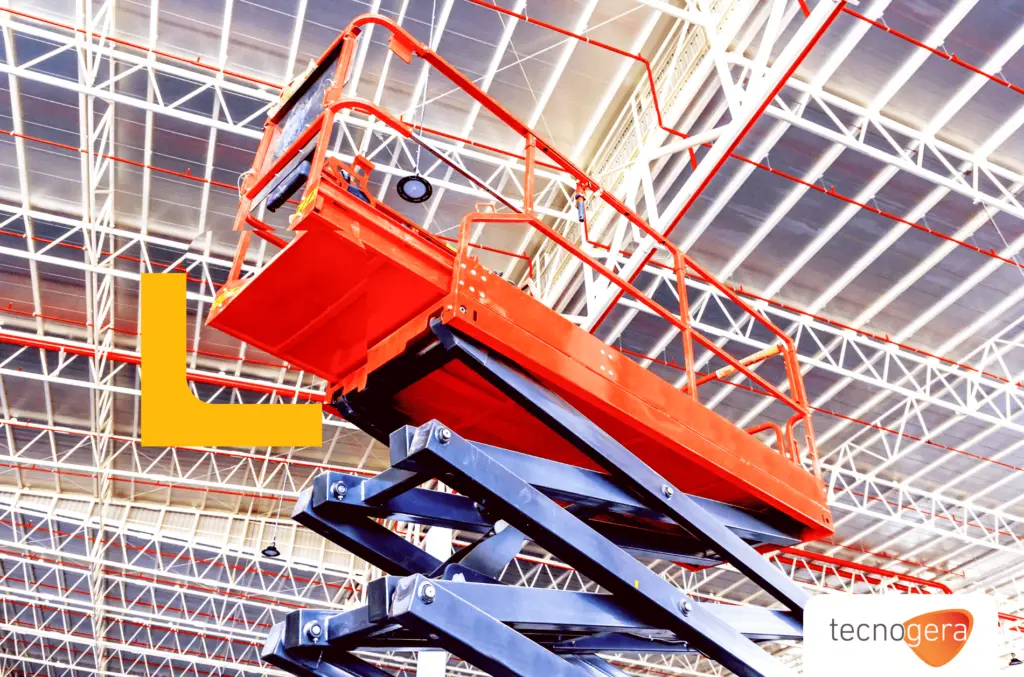
Scissor lifts are vertical elevation equipment designed for indoor tasks up to 20 meters. They’re ideal for renovations, painting, electrical repairs, and maintenance. Electric models offer the same efficiency as combustion ones, with added benefits like indoor use, quick lithium battery charging, and a convenient ‘grab and go’ style.
What are wind turbine rotors and what types are there?
The wind turbine rotor is an essential component of turbines that convert the wind’s kinetic energy into electricity. Comprising blades, a hub, and control mechanisms, it can have a vertical or horizontal axis. Vertical types include Savonius (efficient in low winds) and Darrieus. Horizontal types are more efficient, with three-blade models offering the best cost-effectiveness, achieving 45% efficiency in strong winds and generating up to 5…
Which power generator parts can be replaced?

Generator sets are essential for power supply during blackouts and can be used in residential, commercial, industrial settings, as well as at sports and corporate events. Preventive maintenance includes replacing parts such as batteries, chargers, sensors, modules, and fuel tanks as wear and needs are identified.
Wind Turbine: what it is, how it works, and its advantages
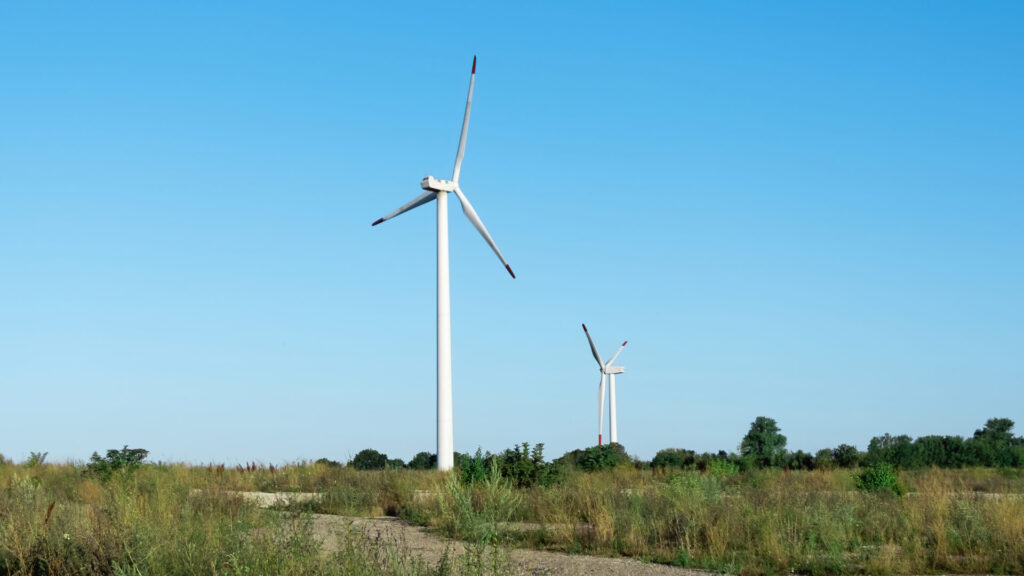
The wind turbine transforms wind energy into electricity, being a sustainable energy generation solution. They are large blades driven by the wind, found in groups to ensure better capture. It works with a rotor, bearings, measurement system, and rotating blades generating mechanical force transmitted to the gearbox that increases shaft speed. Brazil has vertical and horizontal axis models, with horizontal being more developed and suitable for large-scale production. Advantages include less…
What is an electrical outlet and what types of outlets are there?

An electrical outlet is a connection point that provides main electricity to a male plug. Common types have two terminals for single-phase or two-phase circuits with a third terminal for grounding. Before Brazil’s standardization in July 2011, there were more than 12 types of plugs and 8 types of outlets requiring adapters. Each country has its own standards. Key global types include A and B (American/Japanese), C/E/F/J/L (European), G (United Kingdom – safest), D (India), H (Israel), I (Argentina/Oceania), M (Africa), and N (Brazil since 2010).