

The Importance of Emergency Power Generators
Electric power is essential in various situations, being a crucial factor for safety and stability, hence the need for emergency power generators. In the industrial sector, the demand for energy is high, and utility failures can halt production. Scheduled outages for grid maintenance are necessary practices. In hospitals, emergency power is literally the lifeline for maintaining the lives of thousands of people where there is no room for power supply failures.
UPS System: Understanding Uninterruptible Power Supply

The UPS system provides stabilized power instantly when there’s a disruption in the primary grid, differing from other emergency systems. UPS units prevent abrupt shutdowns of computers and electronics, ensuring 10-15 minutes of operation through a battery charged by the electrical grid. There are online types with double conversion AC-DC-AC and offline with…
Best power generator: how to choose the ideal one in 2026
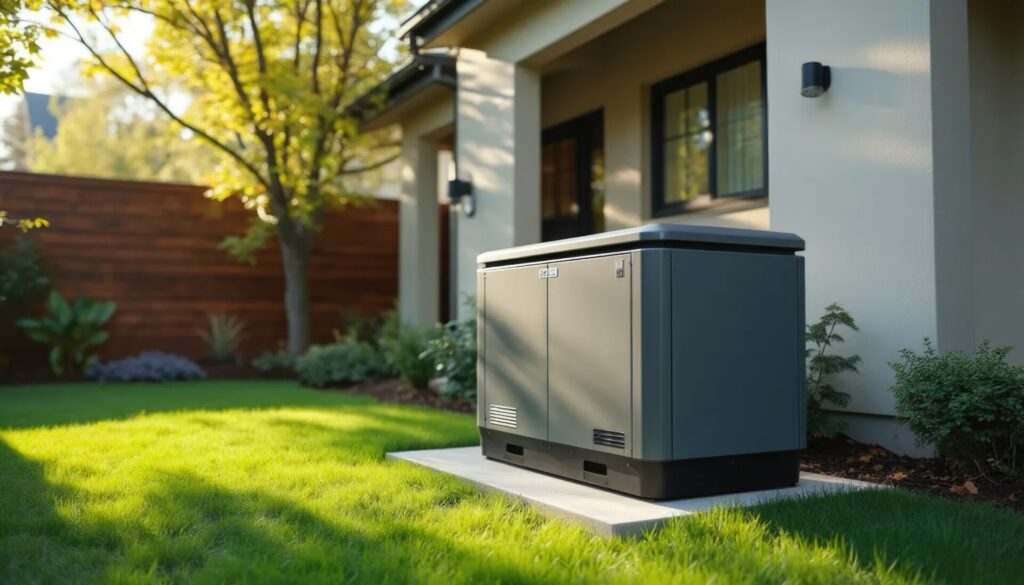
Electricity is essential for basic needs such as heating, cooling, security, and lighting. To avoid problems with interruptions, residential generators have become increasingly common. When choosing, it is crucial to consider the size (preferring compact models) and power (ranging from 1850 to 12,000 watts). Other important factors include tank capacity, noise level, starting type, weather resistance, and voltage regulation system. Installation should be done in a ventilated area with sound insulation.
How does an electrical power transformer work and why is it important?
The electrical power transformer ensures energy use in homes and industries by working with current induction principles to modify electrical voltage. There are two models: the power transformer, which receives energy from the plant and passes it on for transmission, and the distribution transformer, which is the final stage before reaching the consumer. Energy from the plants arrives with a voltage higher than 10,000V and is reduced to domestic 110 or 220V through coils that create a magnetic field.