

How long does a power generator last?
The lifespan of generators varies based on several factors: required power, tank size, fuel type, and operating mode. Power calculation: sum equipment in Watts, convert to kVA (multiply by 1.52), apply a 30% margin (multiply by 1.3). Tanks range from 50-140L (generators 50-150 kVA) to 200-600L (larger equipment). Diesel offers better efficiency than gasoline.
Diesel Power Generator Rental: More Power, Less Fuel
Tecnogera’s diesel generators are up to 30% more fuel-efficient than competitors, offering an efficient solution for continuous power supply. With an average consumption of 40 liters/hour for models ranging from 157-170 kVA, these units are ideal for industries, events, and businesses that cannot afford power interruptions. The article explains how to calculate consumption, compares with gasoline generators, and highlights the unique features of Tecnogera’s domestic equipment, which undergoes rigorous quality control.
Learn how to calculate ripple voltage and its usefulness
Ripple voltage represents minimal variations in DC voltage signals, crucial for sensitive electrical systems that cannot tolerate fluctuations. In a 12V system, variations from 11.99-12.01V (20 millivolts) can cause damage. Measured as a percentage, it detects variations in the millivolt range. The oscilloscope is the most commonly used equipment for measurement, identifying voltage peaks and effective values to pinpoint variations in electrical circuits.
The Importance of Backup Power Generation for Your Business
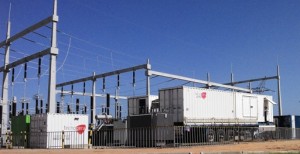
A backup generator is crucial for companies to maintain operations during power outages, preventing production losses and raw material waste. Proper investment requires adequate planning, installation, and maintenance. It’s essential to choose a credible supplier, calculate the necessary load, determine the location, and obtain licenses (Fire Department, environmental, utility company, ART). Monitoring and preventive maintenance ensure operation when…
How to calculate the electrical energy consumption of a device?
Electronic devices consume different amounts of energy depending on their power rating and usage time. The calculation is done by multiplying these two values. For example, a 5,500W shower used for 12 minutes: convert power to kW by dividing by a thousand and time to hours by dividing by 60. With power in kW and time in hours, the result is in kWh, the unit used on your electricity bill. By multiplying by the kWh rate, you get the cost of consumption.
What is kVA?
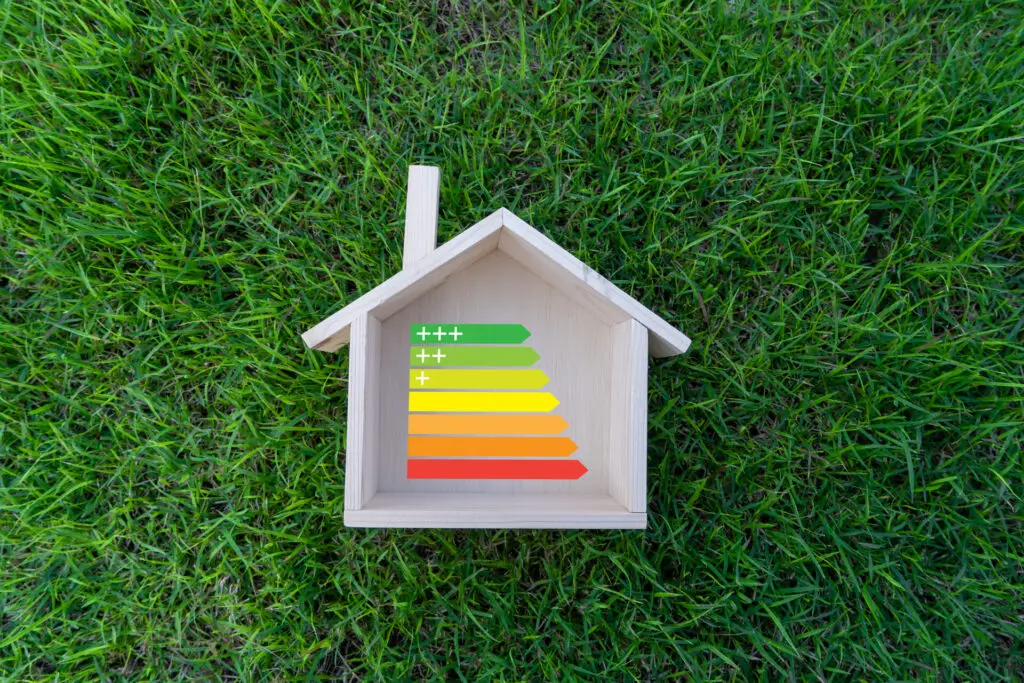
Understanding kVA is crucial for sizing temporary power sources. kVA stands for kilovoltampere and differs from Volts and Watts. It’s essential for the correct sizing of projects and electrical systems. kVA equals 1000 volt-amperes, representing the system’s apparent power, a vector sum of active (Watts) and reactive (Var) power. Accurate calculation is vital to ensure the electrical system meets the required demand, even during peak times. Generators have become more efficient with technological advancements.